



About Guild Articles
Find practical, solution-oriented information—on design, development, management, technology, and executive matters—that you can use to make well-informed business decisions to ensure your organization’s success with learning.
-

Make the Most of SME Interview Time!
Instructional designers interview subject matter experts as part of the front-end analysis stage of design and while planning and creating instruction and performance support materials. The quality of these interviews can determine the quality of the results, so here are some valuable tips for planning, conducting, and following up on your time with the experts!
-
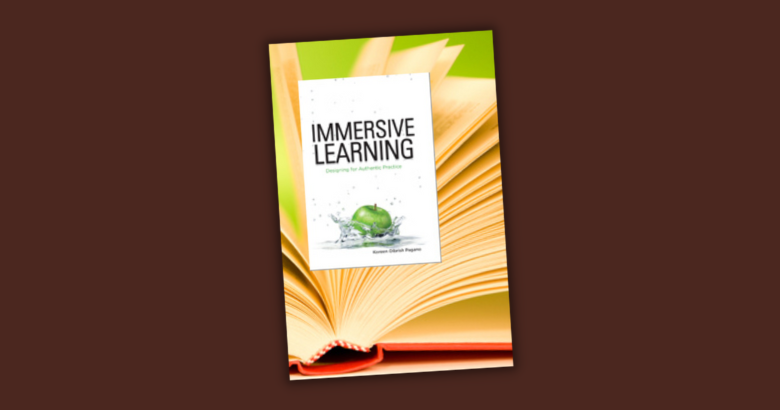
Book Review: Immersive Learning, by Koreen Olbrish Pagano
Games, simulations, virtual worlds, alternate reality games (ARGs), and 3-D immersive environments… For anyone curious about the relationship between these mediums, or looking for commonsense guidance for designing such experiences, make a note to add Koreen Olbrish Pagano’s Immersive Learning to your reading list in 2014.
-

Marc My Words: The Training to Competence Myth
There is an assumption that training provides enough learning and support to launch someone right to proficiency and competence the moment they leave the classroom. If the training is great and the learners learn, we are told, they ought to be able to perform competently from day one. This is hardly ever the case. Here’s why, and what to do about it.
-

Taking Blended Learning to the Next Level
The learning and development field is changing dramatically. There are new expectations about how we do our work and the contributions we make. Informal learning, social learning, narrating our work, and learning in the flow of work don’t necessarily need L&D support to flourish. Here are some guides for updating how we scaffold learning by using learning environments.
-

Effective Performance with A.G.I.L.E. Instructional Design
The final three steps in Conrad Gottfredson’s AGILE instructional design methodology (iterate and implement, leverage, and evaluate) provide context and prioritization for creating workable learning solutions; for integrating technology, people, and research in our performance-support efforts; and for designing the ways we measure the business impact of what we do.
-

The Business of Instructional Design: Career Tips for Thinking Beyond the Storyboard
What’s the difference between an instructional designer (ID) and a lead or senior instructional designer? It’s more than simply having more knowledge of design principles and learning theory! The critical factors are all about business. Here are some tips on developing these business skills, specifically as they pertain to instructional design.
-

Nuts and Bolts: Building Community
The rise of social media and the accompanying interest in social learning is generating a lot of talk about community building. Many people voice similar concerns in these conversations, and at the same time there are many things that never come up as topics for discussion. Here are some suggestions for keeping the never-heard items from killing a community.
-

The Elusive ROI for Learning Through Technology
Few would dispute the convenience, low cost, and high efficiency of eLearning. However, dozens of ROI studies show the results, in terms of transfer to the job and impact on business results, are usually less than facilitator-led versions. It does not have to be this way. Here is an analysis of the reasons, and some recommendations that will make a difference in your real-world results.
-

Gamification, Game-based Learning, Serious Games: Any Difference?
Sooner or later, every learning and development or training department will come to a decision point about gamification. There will inevitably be discussions and disagreements about the details! This article provides some best practices in a helpful framework that may be very useful as you begin.
-

eLearning Guild Research: Karl Kapp on Using Stories
Research shows that stories are extremely powerful tools for learning. That’s because our brain has a natural ability to remember facts told in a story. The implications of using stories to support learning are described in the Guild’s new Big Answers report, Using Stories for Learning: Answers to Five Key Questions, by Karl Kapp. This article explains why you need to read the report.