




Elearning Design
ELearning design builds upon instructional design, adding the context of the tools and technologies used to build and consume elearning experiences.
-
Designing with the Mind in Mind: Cognitive Architecture as the Foundation for Better L&D
Effective L&D is not simply about delivering content, increasing engagement, or improving completion rates. It is about designing learning experiences that help people think, remember, and perform when it matters In this opening keynote, Nidhi Sachdeva introduces cognitive architecture as a practical foundation for evidence-based learning design. Drawing on the science of learning, she will explore how people attend to information, process it in working memory, store it in long-term memory, retrieve it later, and apply it in real-world contexts. Rather than treating attention, cognitive overload, recall, transfer, and learner diversity as separate challenges, this session will show how they…
-
Cut the Clutter to Reduce Extraneous Load
Most extraneous load isn’t a content problem—it’s a design problem. Decorative images compete for attention, narration repeats on-screen text, visual hierarchy is unclear, and learners struggle to identify what actually matters. The content may be accurate and approved, yet post-training performance still falls short. This session introduces a four-question audit framework grounded in Mayer’s coherence, signaling, redundancy, and segmenting principles. We’ll also explore why extraneous load matters and why its impact can be especially significant for neurodivergent learners. Using a before-and-after case study, we’ll examine four common design violations and show you how to make meaningful improvements without rebuilding the…
-
Weave Reflection into Learning to Improve Retention
What if everything you know about reflection is backwards? Most of us save reflection for the end of training, but by then much of the learning has already faded. When reflection is woven throughout the learning experience, people retain more, apply learning faster, and remember what matters. This session explores how to incorporate reflection before learning begins, during the learning experience, and after training to strengthen retention and application. You’ll discover why when you reflect matters just as much as how you reflect. Through practical activities, you’ll explore techniques such as pre-flection, retrieval practice, Four Corners, spaced reflection, and structured…
-
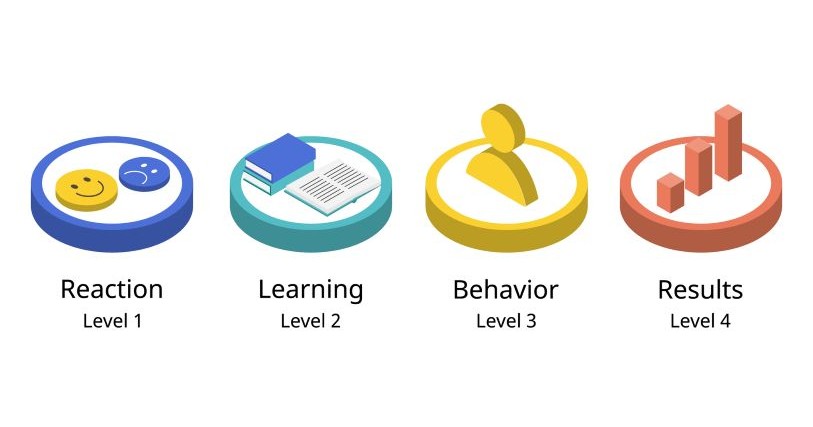
Thank You for Being a Learner: A Golden Girls Guide to Kirkpatrick Evaluation
I never expected a sitcom I have been watching for more than 15 years to change the way I explain an evaluation model. But the analogy stuck because the four women are different—and they work together. Evaluation works the same way.
-

As AI Reshapes Work, Are We Developing the Judgment It Demands?
If organizations increasingly need people to contribute judgment and critical thinking, those capabilities cannot remain aspirations attached to the AI productivity story. L&D can help ensure that as AI changes the work, people are still developing the judgment to do what matters most.
-
Demo of MadCap Syndicate: Give Your AI Coach the Trusted Content It Needs
AI-powered digital coaches need more than a strong interface. They need current, governed learning content behind them. Without that foundation, coaches risk delivering inaccurate answers, outdated information, or the wrong resources. In this demo, see how MadCap Create and MadCap Syndicate make approved learning content available to AI agents through search, APIs, and MCP. Explore how organizations can connect digital coaches and other AI experiences with trusted learning content, including documents, rich media, and eLearning assets, and deliver those resources to learners when they need them.
-
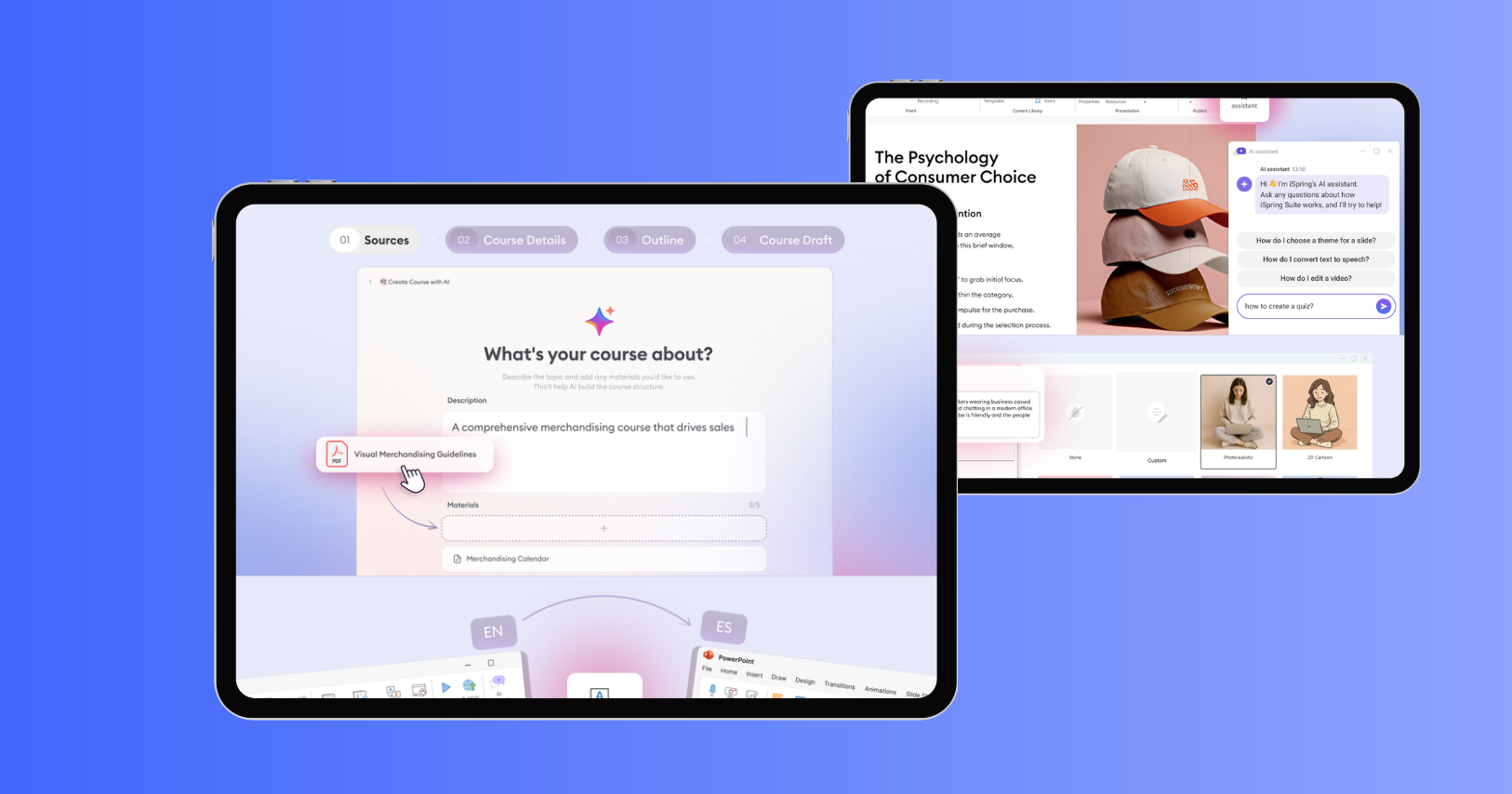
AI Innovation in Course Development: The iSpring Suite AI Example
Artificial intelligence (AI) is becoming a more integrated part of course development. Beyond drafting text, today’s AI capabilities can support tasks across the production workflow, from developing course structures and creating visuals to generating narration and translating content. AI Innovation in Course Development: The iSpring Suite AI Example explores six practical ways AI is changing course production, using iSpring Suite AI as a case in point. See how AI can help turn trusted source materials into structured course drafts, create targeted visuals and voiceovers, localize content, develop presenter-led videos, and provide guidance during authoring. Explore what these capabilities look like…
-

Using Targeted Universalism to Find Hidden Barriers in eLearning
One goal can have more than one path. Sometimes better learning design begins by noticing who the path was built for.
-

Beyond Bullet Points: How Tristia Hennessey Uses Storytelling and Scenarios to Make Learning Stick
Tristia Hennessey’s path into learning and development began with risk management training for banks, continued through onboarding and administrative work, and eventually led her to enterprise L&D strategy and program delivery. Today, as Senior Instructional Technology Strategist at Evolve Solutions Group, she helps organizations address challenges that extend far beyond a single course or training objective. From software implementation and AI readiness to the everyday friction that can prevent people from doing their jobs effectively. Tristia understands the power of storytelling, gamification, and realistic scenarios to create learning experiences that are more engaging, memorable, and meaningful and will be sharing…
-

Tame SME Chaos with an Efficient AI‑Powered Workflow
This practical session introduces an AI-powered workflow for transforming unstructured SME input into a clear, usable learning blueprint while keeping instructional judgment firmly in human hands. Using real-world case examples, the session demonstrates how AI can be applied at three key points: We will examine examples of AI outputs that worked well and those that missed the mark to highlight common pitfalls, lessons learned, and best practices. You will practice identifying gaps, challenging assumptions, and using instructional design principles to refine AI?generated analysis. We will emphasize transferable prompts, review strategies, and safeguards that you can apply across tools and organizations.…