I’ve been interested in communitiesfor years. The internal dynamics of communities of practice was the focus of mydissertation research, and throughout my career I’ve belonged to several work-relatedcommunities to which I credit much of my success and development. Involvementin communities has also fueled my passion for my field and my work.
In the rise of social media and theaccompanying interest in social learning, community building (particularly ofthe online variety) is a topic I’m asked to speak on fairly often. I hear a lotof similar concerns from people who come to those conversations. There are alsothings I am always surprised not tohear much about. Here are a few.
I hear a lot about: “What” vs.I don’t hear much about: “Why”
Sometimes people come topresentations I give with specific goals in mind. Because they are usually fromL&D they typically aren’t in the business of managing huge communities tosupport sales or company branding. They may want to create alumni groups forcourse graduates or offer spaces in which workers in particular areas—likesales or customer service staff—can connect. Even then they may not have anyidea of what they think “success” will look like.
Unfortunately, as often as notpeople seem to be interested because, as the word “community” appears more andmore often in business literature, management has a vague sense that theorganization should therefore have some. Last week I met someone who’d beencharged with creating “communities” only because the new LMS came with thatfeature. She hadn’t even been offered guidance on who should connect with whom,or why.
Give more thought to real reasonsand goals, and consider what success will look like: are you looking for 1,000“likes,” or for artifacts developed and reused; connections made with aresulting decrease in rework, redundancy, or error; or time reduced in findinginformation and expertise? Or something else?
I hear a lot about: “Things we are worried they might say” vs. I don’t hear much about: “What willthey talk about?”
I find a pervasive “if we build it,they will come” mentality about communities. Realize that what interestsmanagement may not interest everyone else. Seriously: No one wants to talkabout your organization’s performance review policy except the people in HR,and maybe the disgruntled recipients of unfavorable reviews.
When workers (or customers, orclients, or patients) get together, what do they talk about? What questions orareas of interest come up time and again in training courses? You don’t joincommunities unless you perceive value, and you don’t contribute toconversations that don’t interest you. By participating and cultivating acommunity you may be able to venture into some of the areas that interest youor the organization, but you’d be well advised not to try and build thecommunity around just that. Also consider the reality of organizationalculture: If people aren’t talking to each other now, starting an online groupwon’t change that.
I hear a lot about: “Platforms” vs.I don’t hear much about: “User experience”
Every URL, password, and secrethandshake puts one more barrier between humans and the community. Emphasize andmake more prominent the things the community likes and uses, and resist thetemptation to keep adding on features no one wants.
Realize that most people don’tchange default settings, so if there are features like additional privacysettings or alerts (say, for new messages or comments) be sure people know howto get to them, or set thoughtful defaults in the first place. Don’t makedramatic changes to interfaces, or if you do, prepare yourself for a week or twoof blowback—if you’ve ever witnessed the hue and cry when Facebook changessomething, you’ll know what I mean.
I hear a lot about: “Control” vs.I don’t hear much about: “What happens when you overwind the clock”
Some organizations are so concernedabout control that they kill the very thing they say they want to start. Figure1 is an example from my own past, from a pet project started by a now-retiredcolleague. He wanted an online discussion forum for HR-related issues. This iswhat users had to agree to before commenting—it might as well have said,“Please don’t post anything.”
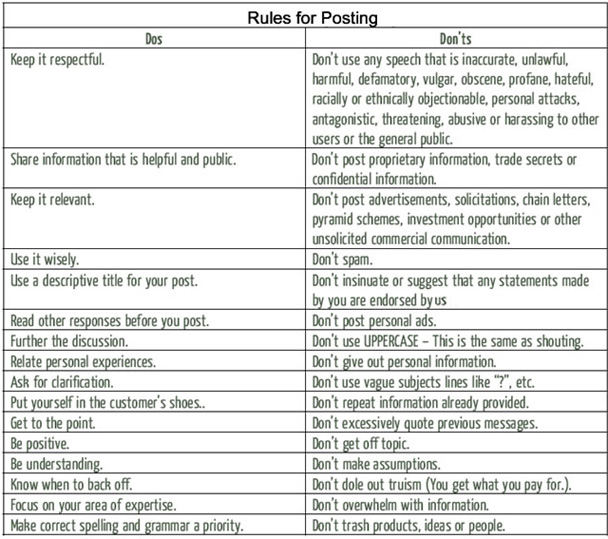 Figure 1: How to killcomments (from Jane Bozarth’s SocialMedia for Trainers)
Similarly, in a stunning case oforganizational schizophrenia, a friend says her management shut down an activecommunity focused on innovation—because it wasn’t structured enough. (Itreminds me of an old Mr. Fish cartoon. I paraphrase: The pointing angry boss ofCreativity Corporation says, “You get back to that *&%$ cubicle and startthinking outside the box!”)
What I hear a lot about: “Shiny Happy Warm Fuzzy” vs. What I don’t hear much about: “The Dark Side”
Communities have politics just likeother human structures: people bully, troll, dominate, and gang up on others.People get excluded. People get outshouted or marginalized. Cliques emerge. Irecently watched a vibrant group nearly collapse when a few senior members wentall Lord of the Flies on a newermember who said she felt they launched too many off-topic posts. I’ve seencommunity members protect the group at the expense of hearing legitimate,potentially useful feedback.
Without careful gardening,communities can become too insular and end up perpetuating bad practice. Beaware that Groupthink can happen anywhere.
I hear a lot about: “Them” vs.I don’t hear much about: “Us”
Communities need someone who will nurturethem, especially when they are new. Someone needs to start conversations,appoint ambassadors to start other conversations or supply content, nudgequieter members, redirect when things go way off point, recognize when thingshave gone off point in an interesting or useful direction, and watch fordysfunction like the insularity mentioned above.
Those in the L&D world chargedwith supporting communities would do well to develop community managementskills, especially:
Listen. We’re great atbroadcasting and disseminating content. What do people what to talk about, notjust receive?
Participate. You need tobe a community member, too. Try to join conversations as a peer contributor,not a facilitator.
Include.Let others help find and create content, guide conversation, start newdiscussions. It’s a change for many of us in the field, but will pay off in amore vibrant, sustainable community.