If you’veread the other two articles in this series, then you know Conrad Gottfredson developed the A.G.I.L.E. instructional design methodology to empower learning teams to createand deploy a core learning solution, with a complementary performance supportsystem, more rapidly. You also know the first two steps in the methodology, alignand get set, are key to identifying and validating business performance needsand defining requirements for learning and performance interventions. Tocomplete the series, we’ll wrap-up the get set step and discuss the final threesteps of A.G.I.L.E. instructional design.
Making the LEaP
The finaltwo activities of the get set step are make the LEaP and proof it. Here,Gottfredson explains, the focus is on developing a learning experience andperformance (LEaP) plan and proofing your EPSS (embeddedperformance support system).
According toGottfredson, the LEaP plan “provides the information you need to determine thedevelopment requirements of the project and set the stage for iterative development.”In essence, the LEaP plan allows you to create blended solutions at the tasklevel, thereby ensuring your learners have the support they need, when theyneed it. He advises completing a LEaP plan when the complexity of a project ismedium or above and:
- You will be supporting the release of a new software system;and/or
- The project scope includes multiple processes with new developmentand/or brokering requirements for multiple types of reference, learning, andpeople resources; and
- The impact of failure ratings (from the critical skills analysis)justifies developing a blended solution that will sustain performers in allfive moments of need.
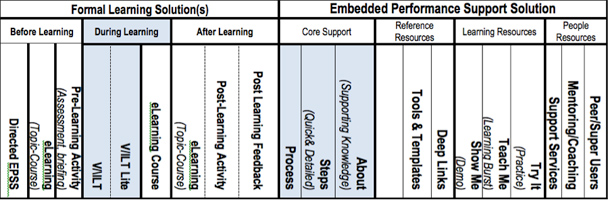 Figure 1: ConradGottfredson advises using a LEaP plan to evaluate the range of options you wantto consider for each of the tasks and associated concepts identified during therapid task analysis
Entirevolumes have been and could be written about the power of an EPSS, so for thesake of brevity, consider Gottfredson’s four basic tasks for designing an EPSS:
- Develop aworkflow map, to help performers manage cognitive load with a visual mentalmodel
- Define andpopulate the EPSS pyramid, to align all the reference, learning, and peopleresources that performers need in the workflow process at any moment of need
- Determine keycontexts; to identify times when performers need access to information specificto their unique roles or access completely outside the workflow
- Establishthe overarching EPSS structure, to determine access paths for tasks and otherreference assets and to design landing pages (ensuring every page contributesvalue!)
Step three: Iterate and implement
With theLEaP plan complete and prioritization determined, you can now begin to developsolutions iteratively and implement them incrementally. The focus of the firstiteration must be a functionally successful solution.
It is herethat we clearly see the power of A.G.I.L.E. instructional design to keep up with agilesoftware development. As Gottfredson explains, the learning team can use each userstory defined by the software development team to:
- Determine how the functionality described in the user story willdirectly impact user performance
- Determine if the current understanding of users will need tochange, or if it requires the identification of one or more new supportingknowledge topics
- Map the changes to the existing LEaP Plan
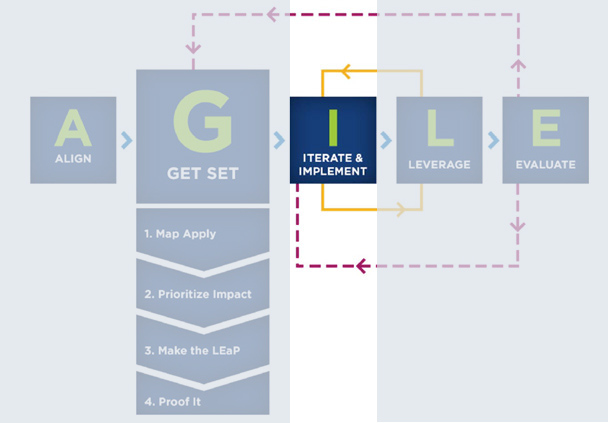 Figure 2: Thethird step in A.G.I.L.E. instructional design is iterate and implement
Step four: Leverage
Gottfredsonacknowledges, “Organizations can’t achieve a sustained pattern of effectiveperformance in an environment of continuous change unless they put into placethe means to deliver to every employee just what is needed, in the way it’sneeded, to support effective performance.”The fourth step in A.G.I.L.E. instructional design allows learning teams to leveragetechnology, people, and research to deliver effective performance support.
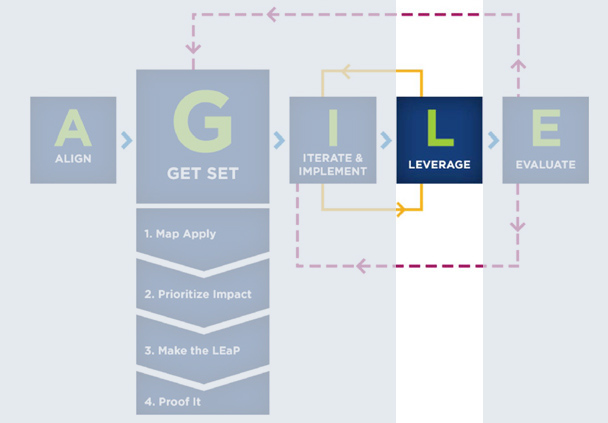 Figure 3: The fourth step in A.G.I.L.E.instructional design is leverage
Byleveraging technology, Gottfredson explains that learning teams can buildperformance support architecture that:
- Provides immediate workflow access in two clicks or 10 seconds
- Brokers scattered resources, making them contextually available toperformers when and where they need them
- Keeps information current through single-source publishing
- Manages the functionality within and across all performance-supportsolutions
Leveragingpeople allows learning teams to evaluate social learning and social mediaengagement and virtual collaboration within their organizations. And finally,leveraging research challenges learning teams to remain up-to-date and fluentin principles ranging from encoding to experiential learning, from spacedlearning to managing cognitive load, and from adaptive response to automaticity—allthe while ensuring you provide effective performance support at the moment ofneed.
Step five: Evaluate
Lastly, thefinal step in A.G.I.L.E. instructional design, as with the ADDIE model, is evaluate.“Effective evaluation improves the quality of what we do, increases theefficiency in how we do it, determines the degree to which we can consistentlyachieve what we set out to do, and measures the strategic value of it all.Performance support plays a vital role in enabling all of this,” says Gottfredson.
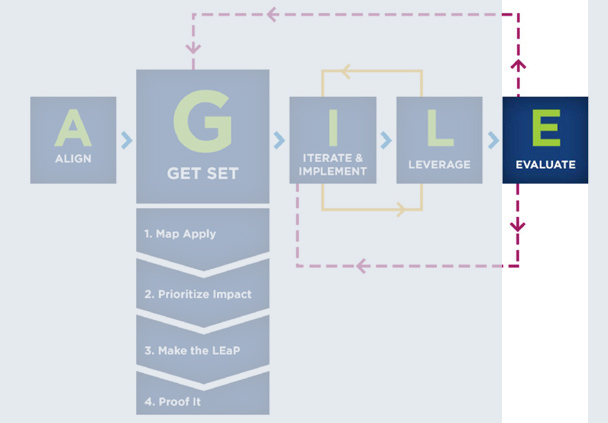 Figure 4: The final step in A.G.I.L.E.instructional design is evaluate
In the finalstep of A.G.I.L.E. instructional design, evaluate, Gottfredson advises learningteams to develop a measurement strategy and put in place a measurementinfrastructure. To develop the strategy and actively measure the businessimpact of what we do, he suggests integrating a true performance-supportsolution and linking training to the business impact. Finally, as Gottfredsonexplains, building a measurement infrastructure is predicated upon a fewguiding principles:
- Conduct both formative(that which occurs during the development process to help you improve what youare developing) and summativeevaluation (a summary evaluation that helps you make a judgment of the merit orworth of what you have developed).
- Understand the strengths and limits of self-perception.
- Triangulate your conclusions by gathering information frommultiple sources.
- Create valid and reliable measurement tools.
- And, never lose sight of your purposes. “You should continuallycheck everything you do during formative and summative evaluation against thepurpose or mission of that evaluation,” says Gottfredson.
The final word
As thisjourney to learn more about A.G.I.L.E. instructional design commenced, I was luredby the opportunity to add a new methodology to my ever-expanding toolbox. Afterspending the last several weeks mired in the details of the process, I’ve walkedaway with confirmation that procedural-based topics and software-developmentprojects easily lend themselves to such an approach, while other principle- orknowledge-based topics may not always require as much rigor to ensure effectiveon-the-job performance.
AsGottfredson admits, “The practices within A.G.I.L.E. instructional design are highlystructured. While the ADDIE model provides a framework, the way instructionaldesigners approach each step may be highly variant. But that is not the casewith A.G.I.L.E. instructional design.” It is this structure, however, that allowsdesigners to design for the entire learning ecosystem, rather than focusing onlearning alone. A.G.I.L.E. instructional design can address all that needs to bedeveloped for formal learning—learn new and learn more—while also accommodatingthe remaining three moments of need—apply,change, and solve. “This broaderdevelopment effort can be met within the same time and effort footprint oftraditional training development. With A.G.I.L.E. instructional design, we end upreducing ‘formal learning time’ by as much as 50 percent, and we speed up otheraspects of development,” explains Gottfredson.
Designersshould also be aware that the SMEs involved early in the process—especially inthe align step—should be the process owners or business sponsors who can reallyhelp define the strategy and scope and validate business-performance needs.Then, in subsequent steps and activities, you can engage other individuals astechnical SMEs on the project team.
As we embark on a new year, we should all take amoment to reflect on the thought leaders in our field working tirelessly tocreate and promote ideas and models that ultimately advance our profession andchallenge us to think in new and different ways about our work. And as you setgoals for the coming year, I personally encourage you to take advantage ofopportunities to learn more about how you can best support your learners andensure you continue to design, develop, and deliver the most effective learningand performance support solutions possible.