



About Guild Articles
Find practical, solution-oriented information—on design, development, management, technology, and executive matters—that you can use to make well-informed business decisions to ensure your organization’s success with learning.
-
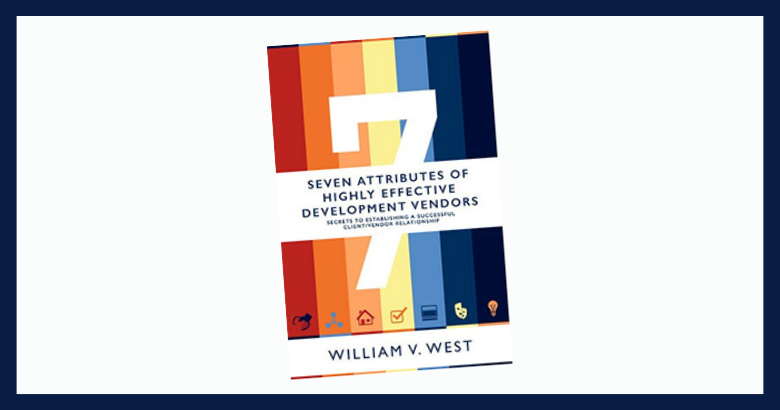
Book Review: Seven Attributes of Highly Effective Development Vendors, by William West
In his book Seven Attributes of Highly Effective Development Vendors, William West draws on more than two decades of experience working with many of the world’s most admired companies from the perspectives of both employee and external-development partner. West’s attributes can help guide those responsible for hiring vendors … and vendors themselves!
-

Mobile, Tablet, and Laptop: Serving Your Content with Web-service Architecture
Mobile devices often have much less on-board storage than laptop and notebook computers, and mobile apps often need to interact with real-time data from online sources. These facts often apply to eLearning as well as business apps. Here’s how to take advantage of real-time data to improve your eLearning designs!
-

Better eLearning: Agile, LLAMA, and Lean
Agile project management and lean manufacturing influence many activities today. LLAMA (lot like agile methods approach) applies those two processes and instructional-design best practices to deliver effective eLearning. At the Learning Solutions 2014 Conference, we crowd-sourced ways to reduce waste in instructional design, and we present the results of that work here.
-
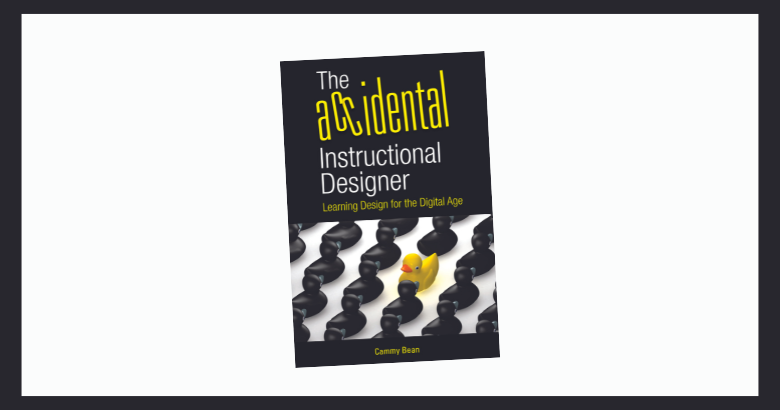
Book Review: The Accidental Instructional Designer, by Cammy Bean
Two years ago, Cammy Bean’s article, “The Accidental Instructional Designer,” became one of the most-read pieces we have published in the last 13 years. Now she has expanded that article into a guide that will help many others to become a happy accident. This one belongs on your shelf!
-

eLearning Guild Research: How Should We Measure Training’s Value? Not ROI.
Is ROI (return on investment) an appropriate measure to demonstrate whether eLearning was effective? Do executives and decision-makers actually care about ROI measures of learning, or do they look for other non-financial, perhaps intangible, evidence that eLearning worked? A new eLearning Guild research report offers some stunning new ideas about the right answers to these questions.
-

Programmed Interactions: Spell It Out First
In designing interactive learning activities, there are certain basic concepts the designer should keep in mind. In addition, designers must communicate with programmers who will convert their design specifications into useful code. Here are some ideas that will help you (or your designers) deal effectively with both sets of issues.
-

Brain Science: Focus–Can You Pay Attention?
Researchers have reported that the average attention span of American adults has dropped, possibly to even as little as five minutes. Is this due, as other researchers suggest, to changes in the human brain, brought about by modern technologies such as television and the Internet? Maybe, maybe not. Art opens a discussion of what we know about helping people pay attention.
-

Make eLearning Better by Making It Complete
Organizations care about documenting training completions because it is important to know who completed training and when, but documenting completion does not guarantee performance. To do that, organizations should focus on the completeness of the training itself. Here are some tips on the importance of completions, the ways they may be inconclusive, and how to make them more meaningful.
-

Marc My Words: The Power of Focus Groups
Focus groups can provide invaluable insight when used strategically for many analysis activities in the eLearning field, from needs assessment to usability to evaluating course effectiveness. Here is a complete, yet concise, guide to the what-when-how-who details that shape a focus group that will be a key resource for better decision-making.
-

What Makes Great eLearning Content? On-target Questions!
Knowing the right type of questions to ask subject matter experts (SMEs) during instructional design—whether the goals of the questions are strategic, descriptive, performance, or data-driven—will help you create relevant, accurate content more quickly. The pointers in this article will keep you on target during SME interviews!