



Learning Research & Science
Insights culled from analysis and inquiry that keep learning professionals up-to-date on how people learn, technologies, approaches, and performance improvement practices.
-

Using Targeted Universalism to Find Hidden Barriers in eLearning
One goal can have more than one path. Sometimes better learning design begins by noticing who the path was built for.
-

Strategic Pauses: 4 Event Boundaries That Protect What Learners Just Learned
Without event boundaries, nothing tells working memory to consolidate what it just processed
-
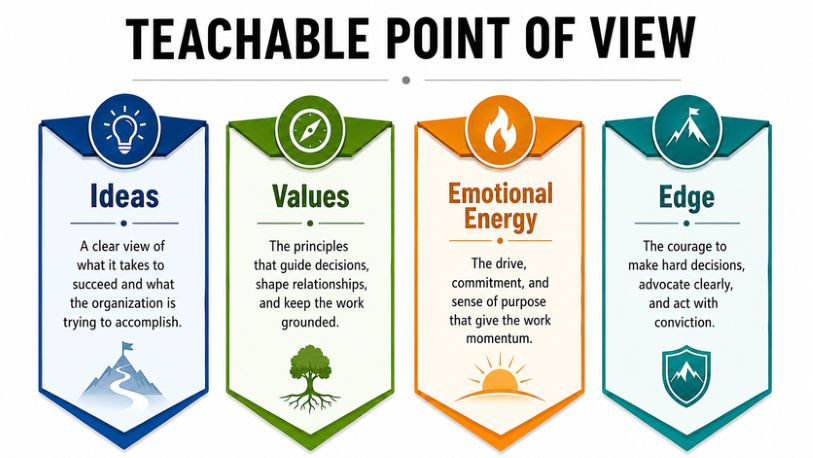
How Power Cuts Leaders Off from Learning: Noel Tichy & the Unteachable Leader
History continues to repeat itself because too many institutions want the appearance and benefits of learning without undertaking the work that makes learning possible.
-
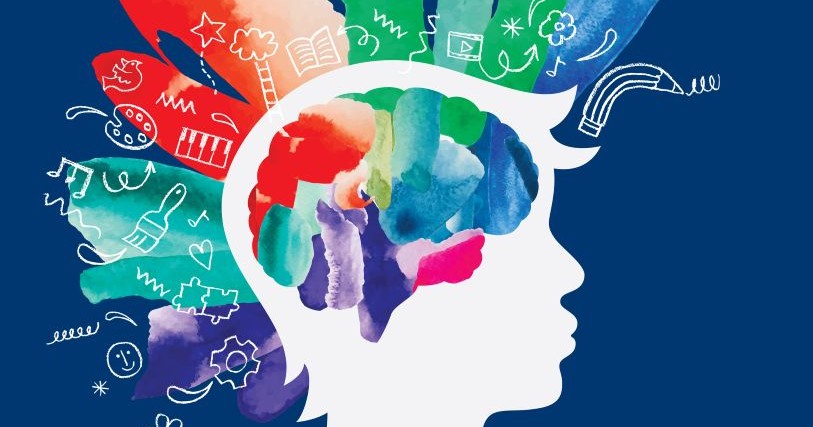
The Reflection Opportunity You’re Skipping
Don’t just think of reflection as something that happens as a checkbox activity at the end of an event. Use it as a tool throughout a learning experience. It’s worth the time invested!
-
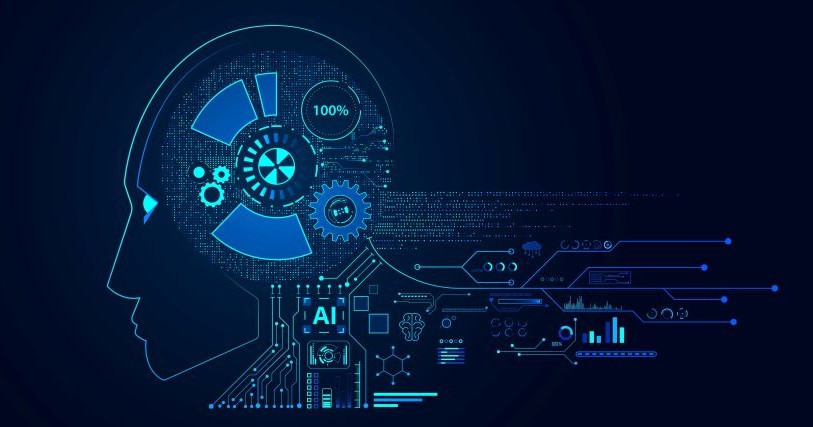
Using Information Processing Theory to Design Better AI-Supported Learning
By Atefeh Ferdosipour When considering conceptual frameworks in cognitive psychology that connect to technology, it’s clear that information processing theories are the most relevant. Artificial intelligence, at its root, is essentially the same as the computers that were introduced to the market several decades ago, with programming to make conditions easier for learning and various types of human activities. These machines, which included heavy monitors and keyboards, were made of hardware and software components. And of course, today they are also available in foldable, very light, but much more advanced forms, in various models. But if you are curious about…
-
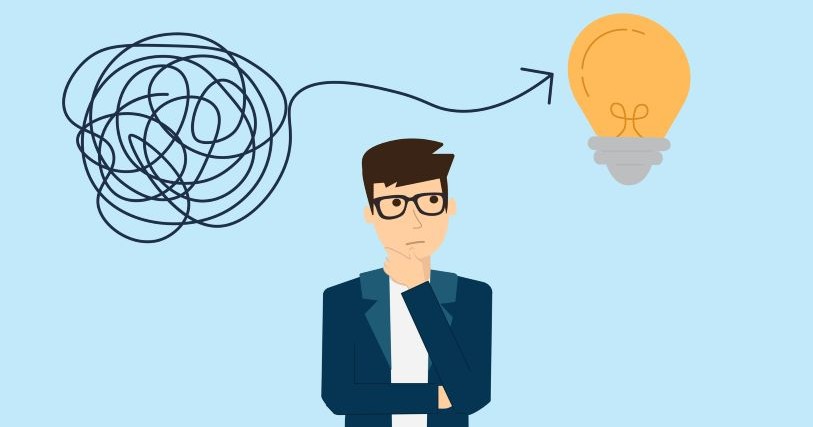
The Checklist That Didn’t Exist: A Field Guide to Cutting Extraneous Load
We design for accuracy. We design for alignment. We design for engagement, or at least what we hope will feel like engagement. We almost never sit down and ask, “How much unnecessary mental effort is this design generating, and how do we reduce it?”
-

When Learning Feels Like a Vulnerability
People do not only learn content. They also interpret what needing to learn may imply about them.
-
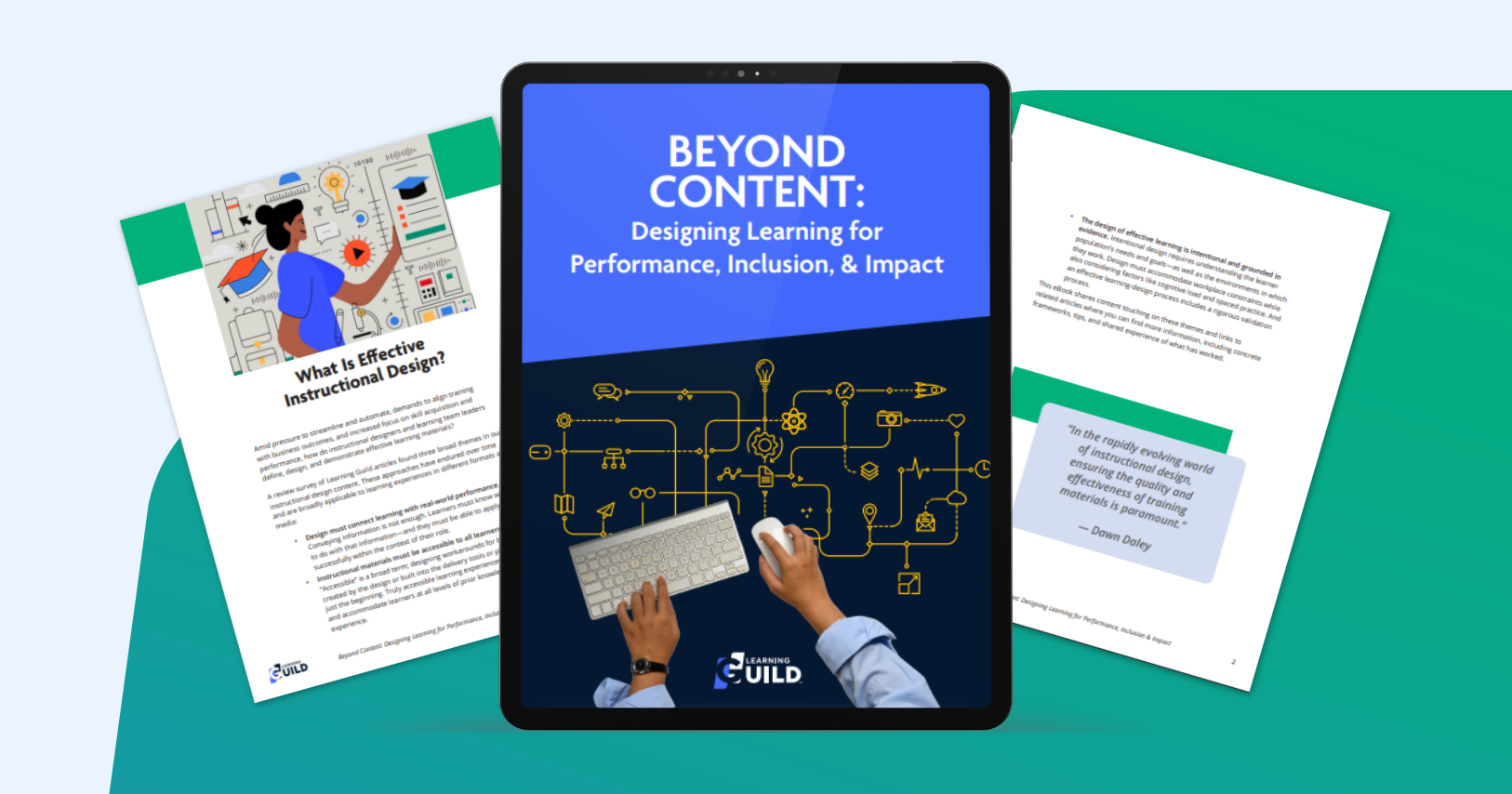
Beyond Content: Designing Learning for Performance, Inclusion & Impact
Go Beyond Content in Learning Design Learning teams are being asked to do more than ever. You’re also navigating pressure to streamline processes, connect learning to business needs, support skill development, and demonstrate impact. So, what should effective learning design prioritize? Our eBook, Beyond Content: Designing Learning for Performance, Inclusion & Impact, explores three enduring principles that can help guide the work: Whether you’re designing learning experiences or leading a learning team, use this eBook to reflect on the principles shaping your work, and where you may want to take a closer look.
-

In an AI-Heavy Learning World, Are You Building Connection or Just Creating Activity?
AI, automation, and learning technologies are changing how we design, deliver, and scale learning. But as the tools become more powerful, one question becomes even more important: are we creating learning experiences that feel meaningfully human, or are we simply creating more activity? Most virtual learning includes interaction. Polls, chat prompts, breakout rooms, whiteboards, and discussion questions are everywhere. While these activities can increase participation, they do not automatically create connection, relevance, or lasting impact. In an AI-heavy learning world, human connection is not a soft extra. It is the design discipline that makes learning stick. In this session, we’ll…
-

Leveraging GenAI to Support Cognitive Development
Human‑factors research shows that automation can make simple tasks easier while exacerbating difficulty in complex tasks, underscoring the need for deliberate task allocation between humans and GenAI.