



About Guild Articles
Find practical, solution-oriented information—on design, development, management, technology, and executive matters—that you can use to make well-informed business decisions to ensure your organization’s success with learning.
-

Don’t Leave Your Everyday Tools Behind: Lessons From a Game-Based Course
As designers, we know that you should never put the format before the fundamentals: What problem are we trying to solve? What are the learning objectives? How are we going to assess this?
-

Learning Debt Is Growing: 5 Ways L&D Can Help Employees Keep Up
The role of L&D in this moment isn’t to continuously push more training in response to change. It’s to create the conditions for learning to happen naturally through work, provide support when employees need it, and help turn individual discoveries into lasting organizational capability.
-

What Learning Leaders Are Taking Back from Learning Leadership
Learning Leadership is designed for candid conversations about the challenges shaping learning, talent, and organizational performance. Leaders come together to share experiences, compare approaches, and explore practical ways to support their people and organizations through change. At Learning Leadership 2026, attendees were asked to reflect on one idea they planned to take back to their organizations. Their responses revealed four priorities: strengthening leadership capabilities, creating psychological safety, scaling AI, and demonstrating the broader value of learning. Leadership skills should extend beyond the leader One attendee was thinking about how to extend leadership and coaching skills beyond the people who hold…
-

No Time, No Budget: Build an eLearning Pipeline with the Tools You Have
Becoming familiar with the content and applying your lens as an instructional designer is critical for successfully working at this pace. Don’t outsource your first draft to artificial intelligence (AI).
-

Who Gets the Credit? Rethinking Growth When an AI Agent Stands Between You & Your Customer
The learning functions that do well over the next decade … will be the ones that pair every new layer of automated support with a deliberate answer to a much older question: When this works well, who, exactly, is going to get the credit? That question used to answer itself. It no longer does, and pretending otherwise is the single costliest assumption a learning function can still be making.
-

What Brings Learning Professionals to DevLearn?
From AI and emerging technologies to accessibility, measurement, and peer learning, 18 DevLearn ambassadors share what they came looking to understand, solve, and bring back to their work. At DevLearn, professionals arrive with different roles, responsibilities, and challenges. But when we asked our 2026 ambassadors what challenge or opportunity in their work brought them to DevLearn this year, their answers revealed a common thread. They came to understand what is changing, learn how others are responding, and bring practical ideas back to work. Seeing beyond the silo Several ambassadors came to DevLearn to understand how their work compares with what…
-
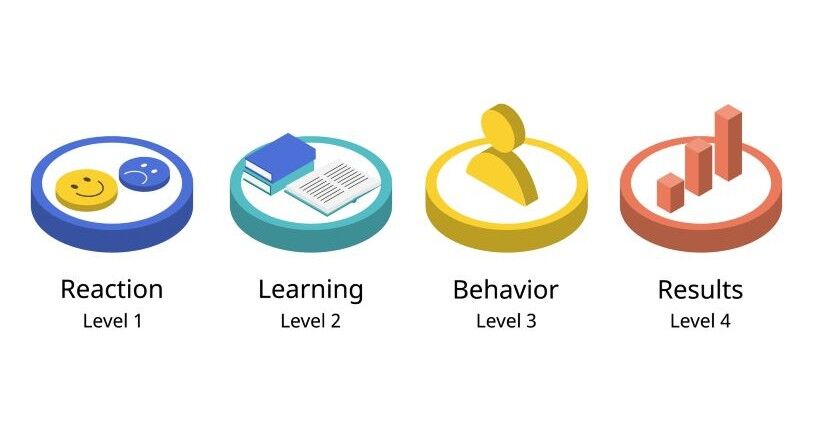
Thank You for Being a Learner: A Golden Girls Guide to Kirkpatrick Evaluation
I never expected a sitcom I have been watching for more than 15 years to change the way I explain an evaluation model. But the analogy stuck because the four women are different—and they work together. Evaluation works the same way.
-
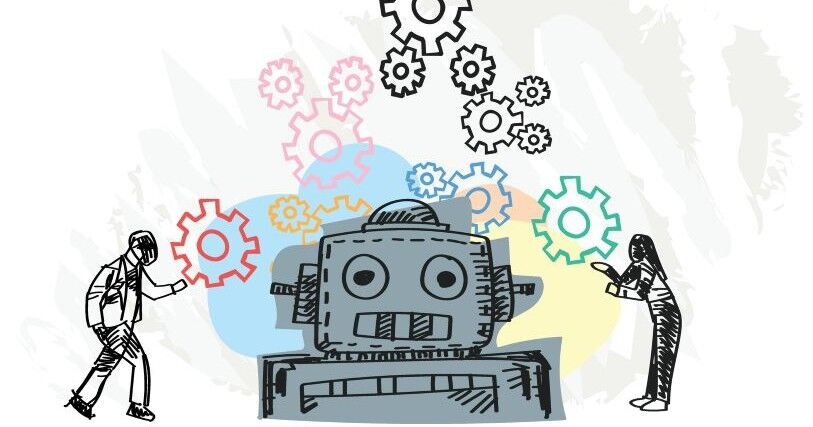
The Hidden Cost of Skills-Based Learning
The future divide may not be between people with degrees and people with skills. It may be between workers developed to interpret reality and workers developed to comply with interpretations produced for them.
-

Before You Teach Managers How to Give Feedback, Teach Them to See the Moment
The next time a stakeholder says, ‘Our managers need feedback training,’ start by asking what managers are noticing, what causes them to hesitate, and whether they’re addressing issues while they’re still small.
-

Training the Second Skill: Teaching People to Check AI, Not Just Use It
AI upskilling can teach people to prompt, draft, summarize, and automate. These are useful capabilities. Training also needs to address a different task: deciding whether a particular output is sound enough to use.