

-

Using Marketers’ Maneuvers: Micro Focus for Major Impact
There’s a reason why you remember commercials, even when you don’t intend to. Marketers have perfected the craft of creating communication that stick. Through focus on a single message, effectively evoking emotions, and carefully choosing concise text, this high-energy session will reveal the practical steps you can take for high-impact microlearning. You’ll leave with memorable examples and relevant application. In this session, you will learn how to:
-
The Evolution of Microlearning: Contextual Microlearning
It is harder than ever to deliver the information employees need at the moment they need it. Microlearning has gained a lot of traction as a solution to this deficit. Many organizations know that providing targeted information to their employees in micro formats is more effective compared to long articles and courses. However, traditional microlearning still requires learners to step out of context to search and discover the information. Context is becoming ever more important. Microlearning by itself is good; contextual microlearning is better. This session will compare examples of microlearning versus contextual microlearning. We will start by looking at…
-
The Core Elements of an xAPI Pilot
Rome wasn’t built in a day, and your xAPI adventure will likely start small and build over time. In this session, Megan will share a pathway to xAPI implementation based on successive strategic pilots, starting with the types of projects that you might consider creating here in the xAPI Cohort.
-
Prove the Effectiveness of Your Microlearning Program with Power BI
L&D teams always struggle with finding ways to demonstrate the impact of their efforts. Even as many companies turn to microlearning as an alternative to longer-format eLearning modules, they may still find it difficult to connect their efforts to improvements in results or movements in KPIs. Why? Because gathering, organizing, and correlating data is tough. At least, it used to be. Some analytics tools require a graduate-level understanding of statistics to learn and use—but not Power BI. This free tool from Microsoft makes it easy for you to rapidly create a custom suite of dashboards and craft reports and data…
-
Explore the Growing Role of AI in Learning and the New Era of Adaptive Learning
In this session we will take the magic out of AI. We will explore what it can and can’t do, and we’ll improve your understanding of the scope and capabilities of AI technology in learning. Discover how AI is already being deployed for mapping and tagging content in a fully automatic process across content libraries of any size. Learn how these tools enable truly adaptive learning at scale. This session will also explore the new learning experience from the learner’s point of view, as well as look at the agility that L&D teams and content creators gain from deploying AI…
-
Augmented Reality: The Future of Learning Is Already Here
There’s never been a better time to transform the way you think about content availability, deployment strategy, and on-the-job training. Augmented reality (AR) is a truly innovative approach to instructional design that gives your content a longer shelf life, greater visibility, and stronger ROI. In this session you’ll discover how augmented reality can make training more engaging, relevant, and memorable. Whether paired with larger learning programs as a performance support tool or used alone as part of a microlearning strategy, AR offers consistent value for learner and instructional designers. You’ll gain insight about easy-to-use AR platforms, explore AR best practices…
-
Chatbots: An Innovative Delivery Channel for Microlearning
For microlearning to be truly effective, you need a platform to reach and engage your learners consistently. Chatbots that are installed into existing collaboration platforms like Microsoft Teams and Slack are a compelling way to deliver the promise of microlearning. Chatbots make things easy for learners, as they don’t need to log in to a separate app or learning platform—they can engage in a short lesson right where they are. And when it comes to truly engaging the learner, chatbots can be programmed to have a fun and deferential personality that softens the annoyance of the interruption that learning invitations…
-
Follow These 7 Principles to Design Effective Microlearning
Microlearning is far more than “short training.” Effective microlearning can engage learners, change behavior, build skills, and drive performance toward improved KPIs and achieving organizational goals. The key, of course, is effective microlearning—from how it’s designed into a campaign to how it aligns to organizational strategies focused on performance. This interactive session looks at the early steps of developing a microlearning product for its campaign. First, we’ll take a big-picture view, exploring the role of strategic design in making decisions about the primary use case for the product (the 6P’s) and evaluative measures that align to that product. This guides…
-
What the Heck Is Microlearning?
It seems that every training professional wants to “go micro” but they all define microlearning differently. So, what the heck is microlearning? In this session, we’ll consider how a number of leading thought leaders define what microlearning is and what it is not to create our own understanding of this popular but ill-defined term. Then we’ll discuss four primary use cases for microlearning and look at real examples of each, examining successful uses of these different types of microlearning in organizations today. Finally, you will consider how you can use these types of microlearning in your own work. This session…
-
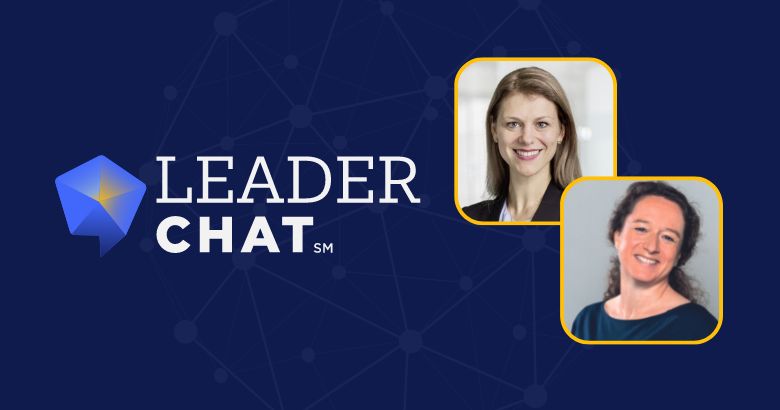
Leaderchat with Susanne Ambros and Inez von Weitershausen
Agile learning puts the learner at the center of their learning process and supports individuals as they organize and independently handle their own learning goals. In this month’s LeaderChat, we’ll talk with Susanne Ambros, the team lead for QualityMinds, about how her team developed, implemented, and scaled a learner-centered agile process.

