



Instructional Design
Applying learning theory and design strategies to meet specific performance goals through the creation of instructional materials and formal learning experiences.
-

When Performance Is Not Understanding: The Disappearance of Expertise in AI-Supported Learning
AI can generate outputs. It cannot generate the judgment that emerges from experience, productive struggle, reflection, and feedback.
-
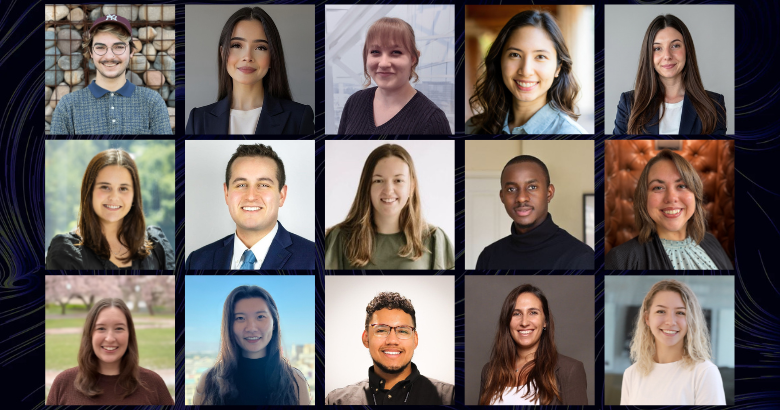
Meet the Learning Guild’s 2026 Thirty Under 30 (Part Two)
We’re back to announce the second half of the Learning Guild’s 2026 Thirty Under 30! Together, these innovators, strategists, designers, and leaders represent the depth and diversity of the next generation shaping the learning field. This November the Learning Guild community will recognize all 30 of these emerging professionals and celebrate their contributions to the future of learning at DevLearn 2026. Meet the second half of this year’s Thirty Under 30 cohort. Patrick McMorrow Constructive Disruptor in Learning and Leadership Patrick challenges assumptions to create stronger learning experiences. Through leadership development, facilitation, and learner advocacy, he pushes organizations beyond the status quo in pursuit of meaningful results. Kelyn Melendez-Ruiz Guiding People Through Transformation Kelyn…
-

Beyond Points & Prizes: Designing a Gamified Online Learning Experience
Engagement is rarely caused by one thing. It is the result of the whole experience.
-

DevLearn Announces 2026 Keynote Speakers Exploring AI, Leadership, and Workplace Resilience
NEW YORK, NY, JULY 16, 2026 – The Learning Guild announced the keynote speakers for DevLearn Conference & Expo 2026, its annual conference for learning professionals, taking place November 4 – 6, 2026, at the MGM Grand in Las Vegas. The keynote lineup brings together leading voices in business, learning, technology, and organizational psychology to explore the trends reshaping workplace learning. Through sessions focused on artificial intelligence, leadership, career adaptability, and resilience, attendees will gain practical strategies for leading through change and preparing for the future of work. The 2026 keynote speakers are: Dan Pontefract Award-winning author, adjunct professor, and former CLO and customer education leader Dan Pontefract will present The Courage to Think Differently: Purpose & Possibilities. Drawing on lessons from his career…
-

What Makes a Video Truly ‘Engaging’?
By treating your audience as active participants rather than passive observers, you ensure your video does not just fill a screen but fills a need.
-
Winning Strategies for Gamification in Blended Learning
Just like a championship team needs a strong game plan, a successful gamification strategy requires the right tools, players, and execution. In blended learning environments, gamification can easily become fragmented if tools, modalities, and learner experiences aren’t carefully aligned. In this session, we’ll break down the Xs and Os of gamification in blended learning. You’ll explore strategies for connecting multiple learning tools into a cohesive experience while avoiding common pitfalls like scalability issues, awkward workflows, and disengaged learners. Walk away with practical tactics for ensuring your gamified learning experience enhances engagement and supports meaningful learning outcomes. In this session, you…
-
How Immersion Transforms Learning From Knowing to Doing
In many learning experiences, learners acquire knowledge but rarely get the chance to use it in ways that feel real. The session explores immersion as the missing link between knowing and doing and shows how ethnographic research can help instructional designers close that gap. By grounding learning in the lived experiences, decisions, and challenges of real people, you can move beyond abstract content and create environments where learners actively engage, experiment, and apply new skills. Drawing on applied anthropology, experiential learning research, and practical design examples (including game-inspired approaches), we’ll examine why immersion drives engagement and performance and what it…
-
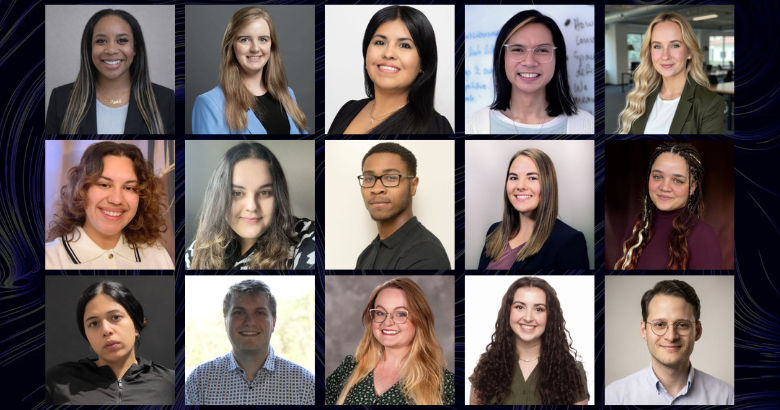
Meet the Learning Guild’s 2026 Thirty Under 30 (Part One)
The future of learning isn’t waiting its turn. It’s already making an impact. Each year, the Learning Guild’s Thirty Under 30 recognizes rising professionals who are redefining what workplace learning can be. This year’s cohort represents an impressive range of industries, perspectives, and expertise, but they share a common thread: a commitment to helping people learn, grow, and succeed. Plus, this year these emerging leaders will be recognized at DevLearn 2026, happening November 4 – 6 in Las Vegas. In the first of our two-part introduction, we’re proud to spotlight the first 15 members of the 2026 cohort. Jayda Abney, Learning & Development Specialist, Rack Room Shoes Inclusive Learning Design Champion Jayda is championing inclusive…
-

AI & Accessibility: 5 Practical Ways to Use LLMs to Support Inclusive Learning
At its core, this work is about making learning equitable. Learning experiences should be accessible to all individuals, regardless of ability or disability.
-

Can AI Guide Deep Learning? An Answer from Gestalt Cognitive Psychologists
AI must evolve beyond a simple information dispenser; it must design structured environments that respect human perceptual organization, guiding the learner seamlessly toward a comprehensive and lasting understanding of the whole.