



Instructional Design
Applying learning theory and design strategies to meet specific performance goals through the creation of instructional materials and formal learning experiences.
-

Evidence-Centered Design for Virtual Reality Training
Designing virtual reality (VR) training can be intimidating in many ways. The perception of unlimited possibilities can often pose challenges for learning designers. It may be difficult to know where to begin or how to select the most impactful ideas. What if there were a method of designing VR experiences that ensures you’re fulfilling the intended learning goals and promotes the behavior changes you wish to see? This session will help you design and measure learning within your VR solutions and help you embed assessments directly within the experience using an Evidence-Centered Design for Assessment (ECD). In the ECD framework,…
-
Spaced Learning: A Design and Technology Primer
Spaced learning is an approach that can help your learners build and apply knowledge over time, leading to increased confidence and competence. There is a lot of excitement around systems that can “automagically” deliver content and resources over time to help training “stick”. Unfortunately, like most things in workforce development, buying the technology to support spaced learning is only a small piece of what it takes to do it well. We will look at spaced learning from two perspectives: How to design for it, and the technology needed to deliver and measure it. You will learn how to approach an…
-
Make Videos That Work: Best Practice Round-Up
There is a lot of advice about video out on the internet. A lot of it’s really good, some of it is garbage, and a lot is in-between. Some of it doesn’t apply because it’s specific to a genre of video that will be hosted on YouTube. Because information is all over the place and not always focused on creating good instruction/learning content, it can sometimes get individuals focused on the wrong concepts or ideas. Put the search term ‘Instructional Video’ into Google, and you’ll get over 110,000,000 pages worth of information. That’s a lot of potential information to sort…
-
Learning Myths and Popular Promises
In this session The Learning Guild’s director of research Jane Bozarth separates fact from fiction around three popular topics: learning styles, personality types, and “generations”. We’ll take a look at what the research really says and examine ways of applying this information to our practice—even though that may mean making plans for what to do instead. We’ll also talk about why these ideas are so appealing, and how we can leverage that information in conversation with stakeholders.
-

How to Develop Self-Paced Training Programs: Four Tips
There is a pattern of success factors in effective self-paced training environments. Learn the steps toward a successful, sustainable implementation.
-

What Zumba Taught Me About My eLearning Career
What does building an exercise regimen in mid-career have to do with becoming a better learning professional?
-
Keep Up with the Ever-Changing Skills Needed for ID
Sixteen Guild Masters share their perspectives on the business skills that are most important for contemporary instructional designers to cultivate.
-

Business Skills for Instructional Designers: Guild Masters Weigh In
In this eBook, 16 Guild Masters contributed personal essays highlighting the business skills they deem most important for contemporary instructional designers to cultivate.
-

Pivot: Time to Reframe “Compliance” Training for Better Results?
If we reframe and rename “compliance” training as reminders of organizational values and culture, the uptake—and results—would likely improve.
-
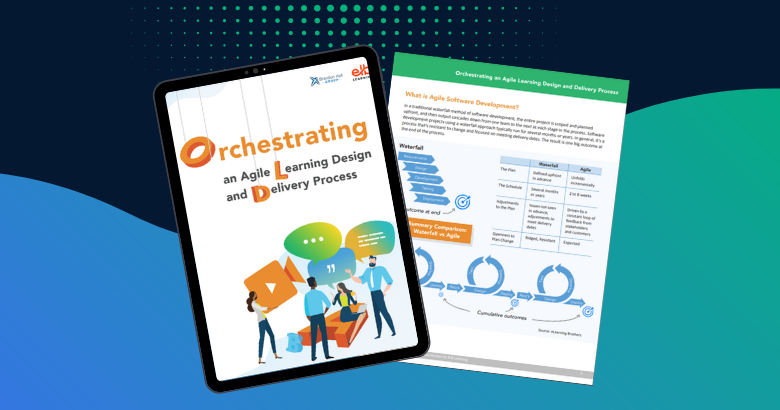
Orchestrating an Agile Learning & Delivery Process
When learners want content on-demand in modern formats, the old-school, lengthy ID process doesn’t work. Find out how an agile, collaborative design process accelerates output and results.