



About Guild Articles
Find practical, solution-oriented information—on design, development, management, technology, and executive matters—that you can use to make well-informed business decisions to ensure your organization’s success with learning.
-

3 Visual Design Tactics That Improve UX and Boost Usability
White space and accessibility features improve eLearning usability; discover three ways that visual design that can improve the user experience.
By Dawn Mahoney • -

Adding Interactive Transcripts Boosts Key Learning Metrics
Adding interactive transcripts to eLearning video could boost comprehension and retention.
By Pamela Hogle • -

Nuts and Bolts: Do Personality Instruments Measure Anything?
Personality instruments claim to help people “understand differences” but their value in predicting performance, ability, or skill is questionable.
By Jane Bozarth • -

Quinnsights: Let’s Get Social!
Social learning is at the core of both formal and informal learning, and presents a clear role for L&D.
By Clark Quinn • -
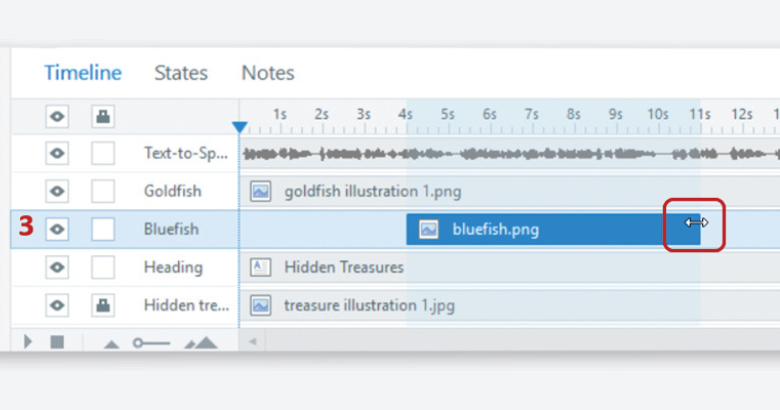
3 Authoring-Tool Tricks: Changing When Objects Appear
Simple authoring tool tricks can make your eLearning more interactive by changing how and when objects appear.
By Debra Mascott • -

5 Ways to Expand the Life of Your LMS
From user-generated content to personalized communications and tailored learning paths, there are plenty of ways to maximize the use of your LMS.
By Betty Mills • -

Learning Culture Can Boost Retention, Efficiency—and Profits
Learning culture starts at the top—and affects employee engagement and loyalty. Find out how to motivate top performers to stay at your organization.
By Pamela Hogle • -
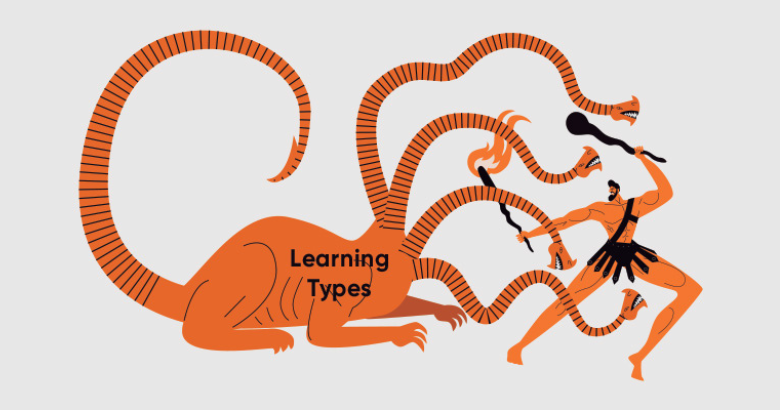
Personalize Learning for Real Learners—Not Personality Types
Personality testing won’t help you personalize learning content; learn what will!
By Pamela Hogle • -

Clark Aldrich: Changing eLearning With Short Sims
Download the new free ebook by Clark Aldrich and begin creating your own short sims, a new approach to microlearning.
By Bill Brandon • -

How to Fix 3 Common Flaws in Multiple-Choice Questions
Identify—and fix—three common flaws that keep your multiple-choice questions from being effective at measuring learner progress.
By Patti Shank •