As Jason Haag, research analystand mobile learning lead at the US government’s Advanced Distributed Learning(ADL) so eloquently puts it, “Mobile learning should NOT be merely viewed as areplacement, an alternative, or as a new addition to existing training deliverymethods. It should be thought of as a complimentary way to augment or enhanceall types of learning.”
Embed learning in work
One of the most obvious ways toaugment or enhance learning is to support daily learning through performancesupport. Performance support, in case this term is new to you, is simplylearning embedded in work. (I would like to broaden this common definition to “learningembedded in life,” as we learn all the time, from the moment we wake up to thetime we fall asleep. You’ll see how this applies momentarily.) For example,when you don’t remember how to change the toner on your printer and the printerdisplay window shows you how to do it, that’s performance support.
Mobile performance is a natural. Many of us have smartphones andtablets and the number of these devices is growing exponentially. Therefore, itsimply makes good sense for us to provide support for learning using devicesthat we already own and carry aroundwith us all the time. What form might performance support take on mobiledevices? Here are a few that rapidly come to mind: PDFs, audio, video, chatapps, SMS (text messages), mobile webpages, and native applications. Youprobably can think of others that can support performance in the moment of need.
Case study: Sonic
The 2013 eLearning Guild mobilelearning research report, How Mobile Learning Is Done: Nine Case Studies from Around the World, showcasesmobile performance support by SONIC, the largest chain of drive-in restaurantsin the US. Why did they build mobile performance support? SONIC offers avariety of menu items (including 398,929 drink combinations) that are assembledfrom scratch after the customer orders them. Their mobile performance supportcomes in a variety of formats. One format lets managers respond instantly tocustomer questions about whether a specific product contains gluten or nuts,for example. Another shows how to prepare individual food items (Figure 1).
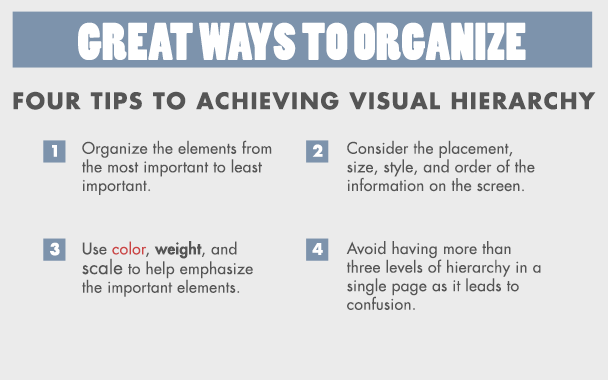
Figure 1: Sonic mobile performance support, product preparation
SONIC doesn’t issue mobiledevices to staff so this is a bring-your-own-device (BYOD) initiative, withApple and Android devices targeted because these are their audience’s mostwidely used mobile devices. The initial pilots were a huge success and resultedin requests for more, despite coststo users. And users are actually requesting more video because this kind of performancesupport is so convenient for managers and franchise owners that it’s worth theadded data cost to them.
Another type of performance support shown in the Guild’sresearch report came from International Red Cross. They offer first-aidtraining to organizations, at-risk individuals, and members of the public. Thistype of training has traditionally been face-to-face but International RedCross realized that a mobile app has the potential to not only reach morepeople but perhaps, even more importantly, provideessential knowledge at the very moment it is needed most (Figure 2).
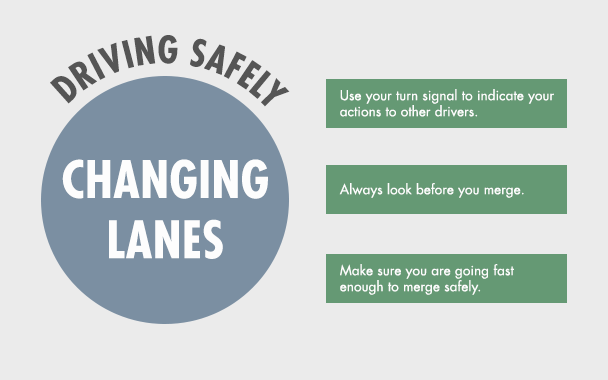
Figure 2: International Red Cross performance support, first aid
Send mobile to work for you
If you think about it, providing essential knowledge at themoment it is most needed is the best we can do as learning professionals. Truly,timing is everything. When we provide training too early, it is oftenforgotten. Too late and it is useless.
So let’s think for a moment about mobile performancesupport. What’s so great about it? I’ve already listed one thing. Most peoplehave mobile devices with them all the time, so using a mobile device forperformance support is a natural … it uses technology that people have withthem. And because they can pull the information they need when they need it, itgreatly reduces cognitive load, since they don’t have to remember what theyneed to perform a task.
Here are some examples of how this might apply at work. Asalesperson can pull up checklists and reference documents while on sales callsto answer sales questions. People in meetings can text or IM (instant message)experts in other parts of the building, country, or world to get questionsanswered so that they can deal with action items immediately rather than delaythem until the next meeting. A doctor in transplant surgery who encounters aproblem can use mobile Skype, Google+ Hangouts, or Apple FaceTime to have alive show-and-tell session with an expert in another part of the country orworld so that the patient can have a chance at the best outcome possible. MBAstudents from all over the world can share real-world stories from their ownlives and organization, using pictures and videos from their phones.
I highly recommend that you read the Guild’s recent mobile casestudies, which will help you see the scope of what is possible and the types oftechnologies that people are using to make mobile learning work. This type oflearning support has the ability to be a real game changer.
Reference
Casebourne, Imogen. How Mobile Learning Is Done: Nine Case Studies from Around the World. The eLearning Guild. 4 April 2013.