


Blended Learning
A mix of approaches, techniques and/or technologies to meet the contextual needs of learners and content types which can create a rich and diverse learning experience.
-

Nuts and Bolts: Social Media for Learning Part 2: What to Use When? And the Role of Community
“Which tool should I use?” If you hate to hear that “it all depends,” this article may give you a new perspective on that answer: “The best tools are the ones you’ll use, that meet your particular goals and needs—and the ones your audience likes.”
-

Mobile Technologies and Social Learning
A quick look around your workplace (or even the grocery store) tells you that most of us are always connected. Not only that, we also now know much more about the benefits of combining social and mobile technology for learning. Here are the background and the tips you may need to help you get started!
-

How Online Education Helps the US Meet Growing Demand for Better Healthcare
Healthcare is at a crossroads. An aging population and a growing shortage of primary care physicians are factors pushing nurse practitioners and physician assistants into roles once filled by doctors. This in turn puts stress on educational institutions that must prepare them for these new responsibilities. Here’s how institutions are dealing with this challenge.
-

Eight Ways to Best Spend Your Online Learning Budget
With all of the choices available today to support learning, collaboration, and sharing and building knowledge, confusion about the best path for the learning journey can ensue. Here is a guide to making the most effective investments in learning by blending free, user-generated, and paid-for content.
-

Rosalind Franklin’s New Approach to Training Clinicians
Hands-on learning through simulation is a cornerstone in 21st-century healthcare-professional school curricula. Simulations enable students to gain clinical proficiency by applying classroom and book knowledge to lifelike near-real clinical scenarios. By putting learning into action, students build clinical knowledge and skills. Here’s how it’s done at RFUMS in Chicago.
-
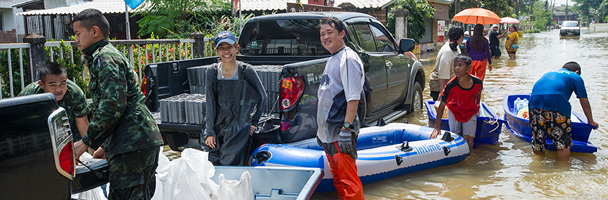
Empowering Humanitarian Aid Workers with Soft-skill Curriculum
Logistical skills are critical for relief workers and humanitarian aid workers, but their “soft skills” are equally important—the nontechnical skills needed to effectively manage problems and work with others in high-stress situations. Thanks to the generous support of Cegos, DisasterReady.org is able to offer soft-skill courses to humanitarian aid workers at no cost.
-

Design Tips for Flipping the Virtual Classroom
Most virtual classrooms attempt to replicate live classroom lectures, which are known to be one of the least effective instructional approaches. The flipped classroom—converting lecture content into self-paced tutorials and reserving classroom time for interaction—is a proven approach that works. Here’s how to apply this idea to the virtual classroom.
-

Moving Beyond Event-based Learning—a Managed Journey to Demonstrated Proficiency
Are we stuck in a rut? An event-based eLearning mindset? A “default to PowerPoint” design paradigm? Maybe it’s about time to get out of that rut through a blended journey that leads to demonstrated performance. This article offers a real-life example of doing exactly that.
-
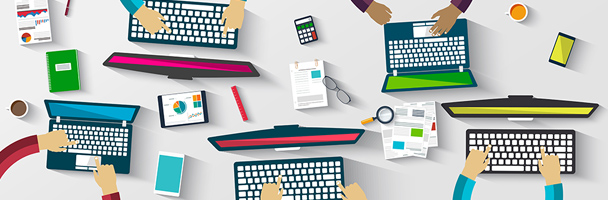
Bridging the Gap Between Training and Job Performance
Today’s modern workforce is used to accessing tools that help them perform tasks in their daily lives. At the same time, while workers must know more and use more technology in their jobs, this is where training efforts fall short. Read here about how performance support bridges this gap!
-

Five Steps: Changing Paradigms from Training to Performance
The challenge for many learning organizations today is how to change the paradigm from training to performance. This transition includes not just the traditional training organization but also senior business leaders, stakeholders, and even the average employee. Today’s article provides a case study that illustrates the first four of five steps to make this change.