Cegos and DisasterReady.org have formed a uniquepartnership to empower humanitarian aid workers across the globe with a one-of-a-kindsoft-skills development curriculum. Academics and aid experts agree that, whilelogistical skills are critical for the relief worker and humanitarian aidworker alike, an equal if not greater focus must be placed on developing their “softskills”—namely the nontechnical skills needed to effectively manage problems andwork with others in high-stress situations. Thanks to the generous support ofCegos, DisasterReady.org is able to make a collection of soft-skill coursesavailable to humanitarian aid workers at no cost.
DisasterReady.org, a signature program of the Cornerstone OnDemand Foundation, is a collaborative nonprofit effort informed by anadvisory committee of prominent aid agencies including Save the Children, theInternational Rescue Committee, Project HOPE, the UN Refugee Agency, MercyCorps, the International Federation of Red Cross and Red Crescent Societies,World Vision, Oxfam America, and others.
Created in 1926, Cegos is one of the world leaders in professionaldevelopment. The expertise of its 3,000 consultants and 1,000 employees powers103 courses that cover all areas in the professional sphere, as well as thedevelopment of skills for business success.
Why humanitarian aid workers need soft skills
A number of studies overthe past 10 years focused on identifying best practices for training aidworkers have found that soft skills, often left out of training programs, arecritical to implementing logistical assistance. The typical focus of traininghas been on developing functional knowledge, or “hard skills—legal process,transportation and communications logistics, shelter, and food preparation,etc. The success, however, of transmitting that knowledge effectively in high-stresssituations in unfamiliar cultures is directly tied to workers’ soft skillscapacity, or their ability to relate the hard skills to the situation itself ina humanitarian way. As Atish Gonsalves, director of DisasterReady.org,explained, “From the start, our advisory committee has placed a high priorityon including training in people- and project-management. We can’t be morethrilled to have a partner like Cegos enabling us to offer high-qualityeLearning courses in this area to our community of more than 45,000humanitarians.”
Generally, soft skills arethe cognitive, social, and personal resource skills that complement technicalskills and facilitate task performance. Good communication, leadership, teamwork,decision-making, and situation awareness are all part of that base.
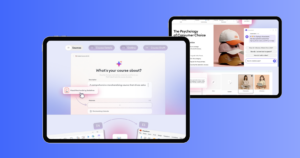
Incorporating soft skills into eLearning on DisasterReady.org
The importance of soft skills is recognized as critical to success in thebusiness world. Sixty percent of managers claim that soft skills are moreimportant than hard skills in getting a job done and are more sought after in employees.Hence, training and resources for developing these skills in employeepopulations within business cultures have been honed over decades. Cegos, whichworks with 250,000 people in 50 countries with eLearning courses, is one of theleading providers of training in this area. Pascal Debordes, director of channelsand alliances at Cegos, commented, “We are honored that our business trainingprograms are part of this critical initiative and are playing a small butimportant part in improving the operational effectiveness of humanitarianmissions around the world.”
Specifically, Cegos and DisasterReady.org have combined tooffer more than 40 training resources on the Soft Skills page ofDisasterReady.org including:
- Leadership Skills: 5 Levers for Producing Great Leaders; The Role of Ethics and Integrity in Assessment.
- Communication Skills: Successfully Adapt your Message.
- People Management: Making Success of Your First Management; Project Management Essentials.
- Project Management: Dealing with Time-consuming Tasks; Focusing on Your Key Priorities.
- Interpersonal Communication: The Relational Skills of the Manager.
A new model for soft-skill training directed to humanitarianworkers
The most powerful aspect of the partnership is the blending of provensoft-skill business content together with proven humanitarian content viavideos, case studies, and live webinars. For example, the Essential Skills for New Managers curriculum, derived from Cegosprofessional development courses including Becominga Manager Coach, includes commentary from humanitarian champion John Fawcett on how to effectively applymanagerial concepts in a remote relief effort. Through a short interview on theexperience of managing a relief project and a longer webinar on cross-culturalteam building in emergency settings, Fawcett provides a real-world perspectiveto put the soft-skill concept into practice.
This combination of Cegos’ eLearning courses with recorded webinars fromexperts in the humanitarian sector has been very well received by DisasterReadylearners. As Christine Amy, senior emergency preparedness coordinator at theInternational Rescue Committee, described, “These new soft-skills courses haveadvanced our training to the next level. DisasterReady has done it again—identifiedexactly how to transfer key concepts in the most effective way possible to ourrelief workers.”