Imagine running a large retailchain. Every day, a ton of industry-wide problems confront you, from inventoryloss or shrinkage which occurs due to administrative errors, shoplifting, andemploy pilfering to typical safety incidents which involve everything from a productfalling on an associate’s toe to back injuries from improper lifting of heavyproducts.
- Part 1
- Part 2
Pep Boys, a full-serviceautomotive aftermarket retail chain headquartered in Philadelphia, wantedto solve these two problems. Pep Boys has over 700 stores in 35 states andPuerto Rico; those stores have more than 7,000 service bays. The company doesover $2 billion dollars of business a year by focusing on meeting the needs ofthe do-it-yourself crowd as well as people who come in for routine andemergency services and sales to professional garages. Pep Boys has built areputation for providing high quality, name-brand products at low prices inconvenient locations with exceptional service. Pep Boys wanted to decrease bothsafety incidences and inventory shrinkage.
Challenge
The team at Pep Boys analyzed theproblems named in the first paragraph and was perplexed. They had instituted afairly robust store-level awareness program that included posters, monthlymanager-led meetings, and even impromptu huddles to explain the need for safetyand loss awareness. The results were typical: Immediately after an interventionsafety increased and inventory losses deceased. Unfortunately, after a shorttime, the impact of the intervention deteriorated. Employees were not retainingor operationalizing the learning. With over 19,000 employees undergoing thetraining, it was becoming important to find a way to make the learning stickover a longer period.
Gamification solution
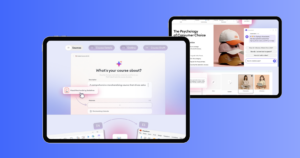
To address the issue, Pep Boysimplemented a gamification platform called Axonify.They rolled the platform out to the associates, who received dailyreinforcement of the monthly safety and loss prevention training they receivedthrough a quiz-type game. (See Figures 1 and 2 for screen shots from the game.)Associates answered quick, targeted questions related to risk, loss prevention,safety, and operational policies and procedures—standard questions in theseareas. If they answered correctly, they played a slot-machine game titled “Quizto Win” for a chance to win cash prizes. If they answered incorrectly, thesystem immediately presented a short training piece designed to specifically addressthe topic covered in the initial question. Questions repeated at variousintervals until the associate demonstrated mastery of the topic. The entireprocess takes 30-90 seconds each day and associates do it either at thebeginning of a shift or during downtime throughout the day.

Figures 1, 2: Every day, learnersanswer questions presented on the gamified platform
Business impact
Now that programimplementation is complete, Pep Boys has a voluntary participation rate of over95 percent. With the increase in safetyawareness in the stores and service centers, safety incidents and claim counts arereduced by more than 45 percent—even with an increase in the number of stores andemployees. The entire culture has shifted, with safety becoming a top focusthroughout the organization. The reduction in shrinkage has been at a level of55 percent. Contributions to shrinkage such as shoplifting, organized crime,administrative errors, and employee theft have all decreased substantially. Inthe case of internal loss, each time a burst of content related to employeetheft is pushed out, they see at least a 60 percent increase in their “Integrity Pays”hotline calls, resulting in a direct reduction in inventory loss.
Additional benefits include consistency of content. In all the stores,the same content is delivered in the same manner. This provides flexibility forPep Boys to modify the training quickly and easily by adding content to theAxonify platform for distribution to the associates the next time they log intothe system. The daily interaction employees have with the training systemprovides a constant reminder that Pep Boys cares about their safety andcontinued success.
Why it works
One of the primary reasons this approach is successful for Pep Boys isbecause it uses the concept of distributed practice. Distributed practice, sometimes called spaced practice, orspaced rehearsal, is the technique of distributing learning efforts overmultiple short sessions with each session focused on the subject matter to belearned. Research clearly indicates that distributed practice is a consistentand heavily supported learning phenomenon for long-term retention and recall ofcontent. Distributed practice helps learners retain access to memorizedinformation over long periods because the spacing prompts deeper processing ofthe learned material.
Conclusion
The gamified approach of providingquestions in a quiz-show format motivates associates to engage with the safetyand loss prevention content on a daily basis. Distributed practice reinforcesthe learning, which results in tangible business results. As shown in this casestudy, gamification, when applied properly, helps organizations meet specificstrategic and tactical goals.
Editor’sNote: This is the first in a series of articles highlighting the impactgamification can have on organizations from a learning and developmentperspective. Karl Kapp gathered these case studies while researching his latestbook, TheGamification of Learning and Instruction Fieldbook: Theory into Practice. The series illustrates real-worldapplications and effects of gamification.