I try in my monthly columns for Learning Solutions Magazine to offer a mix of instructional design and sociallearning-related topics, keeping in mind that my target audience is comprisedof novices or those otherwise interested in “nuts and bolts” level information.It’s my habit at years’ end to recap what had my attention over the past 12months and tie the themes to resolutions—things to keep in mind going forwardinto the new year.

Figure 1: Personal experienceheightened my attentiveness to learner issues
1. I’llkeep the learner first. My husband’s journey through the US health care system certainly helpedsharpen my attentiveness to learner issues. (Figure 1) Here are a few things Iam working to hone. Developing experiences that recognize the learner as anactor in a system, not just a lone individual completing a course. Rememberingthat job performance goes beyond a particular task in a particular moment andfinding ways to better support the “whole learner.” I resolve to work to givelearners a great experience regardless of ability and not let myself get caughtup in just meeting the demands of “compliance.” I’ll keep an eye on the way my ownbiases and beliefs can send messages through my work. I’ll watch out for overtor unintended behaviors that blame the learner for not learning. And while Ithink I’m already pretty good about this, I’ll employ Mayer’s Select-Organize-Integrate model (November and December 2015 columns; see also “The Story in the Slide Deck”) togive the learners the best chance possible.
I resolve toremember that all learners—and all of us—are differently abled. I’ve seen toomany instances of accessibility issues treated as throwaways in the name of“compliance.” Making instructional materials accessible to all should be partof the L&D practitioner’s foundation mission of improving performance. See“It’s Not Just About Compliance: Accessibility in eLearning” from July 2015.
2. I’llkeep looking for ways to use new tools to solve old problems. Thingsin the social tools world change and morph all the time, and it’s a good thingI don’t mind trying to keep up. In all my work around social media I encouragepeople to look past a tool’s first popular use to whether it could solve somework problem—not just because it’s a shiny object, and not just to replicateexisting practice. From my view, the biggest change in social tools over thepast few years is the shift from nearly all-text approaches to the increasinguse of photos and video and, now, streaming video. I did two pieces on this:September’s “Social Media for Learning: Extending, Including, Supporting” 
Figure 2: Use photos (andvideo) from social tools, such as this example from Pinterest for onboarding
3. What’sit all about? The single best new tool I pickedup last year was Cammy Bean’s suggestion to have the SME walk you through the story in the slidedeck. It helps them get past the factoids and bullets and bits of information. (Figure3) I also found it helped me frame conversations around my newendeavors—showing work, working out loud. Getting people to tell you theirstories helps you get at not just what they do but how they get things done—oftena mix of self-directed learning and leveraging social connections.

Figure 3: Find your 20percent
4. I’ll think bigger. I offered up something very different in one of the columnsand it ended up being the most popular online piece I’ve ever publishedanywhere. Performance Matters, or, Guy Walks Into a Brain Tumor Clinic told the story of myhusband’s journey through surgery to remove a brain tumor and his subsequentchallenges with recovery, much of which involved relearning old skills, orlearning to do them differently. The column resonated with many people who hadexperienced similar challenges dealing with the healthcare system, and it gotthe attention of L&D practitioners who sometimes have a hard time seeingpast the task of designing a compliance tutorial to be launched in 60 days.What we do matters, and it’s important to understand it in the larger contextof real performance that affects real people, sometimes far beyond the actualworker in our target audience. I’ll look for more experiences of the reality oflearners moving about in the world, and the ways in which we can support them.
Some other things worth revisitingfrom 2015? The need to articulate the right objective and state the real desired outcome. (Figure 4)
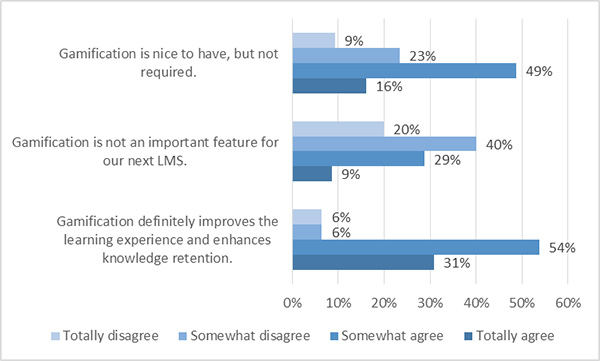
Figure 4: Don’t be surprisedwhen people (or horses) do exactly what you taught them to do.
And finally: Remembering that our role goesbeyond building courses and other experiences, but is about helping peoplelearn. Learning happens all day, every day, in ways that are as often as notaccidental. In 2016 I resolve to find ways of throwing more rocks in thelearner’s path, to cause serendipity wherever I can.