From books to complementary digital products and services, Pearson Education specializes in creating educationalcontent and learning tools for students of all ages. It partnered withAtlanta-based vendor mLevel to explorewhether gamifying content for an introductory business textbook could stimulatestudent engagement in the subject.
Business challenge
College students interested in pursuing careers in business areoften required to take one or more introductory classes before they arepermitted to delve into material that may be more aligned with their specificinterests or majors. Such classes generally feature basic information,including a great deal of terminology and vocabulary. Instructors struggle withdisengaged students who don’t necessarily want to take these required courses,and who often find mastering the concepts challenging.
Seeking a solution, Pearson Education partnered with mLevel,which specializes in gamifying content for the corporate market. “We decided todo a quick pilot, adapting supplemental content used with existing textbooks anduploading it into mLevel’s grid system,” explained Brian Surette, manager oflearning tools at Pearson Education. “The intention was to create a small suiteof pilot games to share with some students and schools around the country.”
Solution design
They decided to test gamification with the newest edition ofa popular introductory business textbook. The team loaded content, tagging theconcepts by learning objectives and topics. Once loaded, the content could beused in various games. “We have a variety of templates and can present the samecontent in new and different games,” said Grant Hansen, who handles businessdevelopment for mLevel and worked with Surette on this project.
The result was a series of short games or “missions,” mappedto chapters in the textbook. Students interacted with the content while engagedin the game interface, receiving immediate feedback and a review of the correctanswers. Analytics were captured in real time. When the students got questions wrong,they were able to add those particular sections to a personalized study list. Aleaderboard allowed them to monitor the stars they had achieved and benchmarktheir mastery in comparison to their peers’.
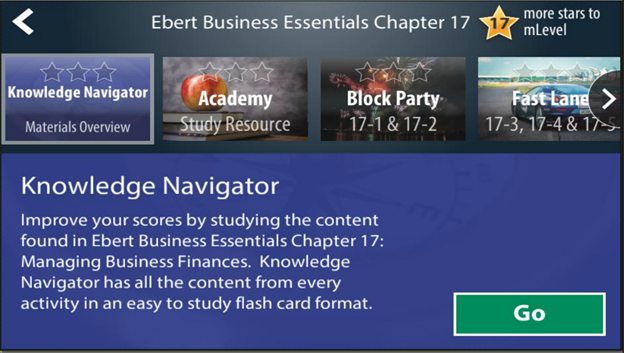
Figure 1: Short games or “missions” were mapped to chapters in thetextbook

Figure 2: Missions featured fun interfaces, such as this drivinggame
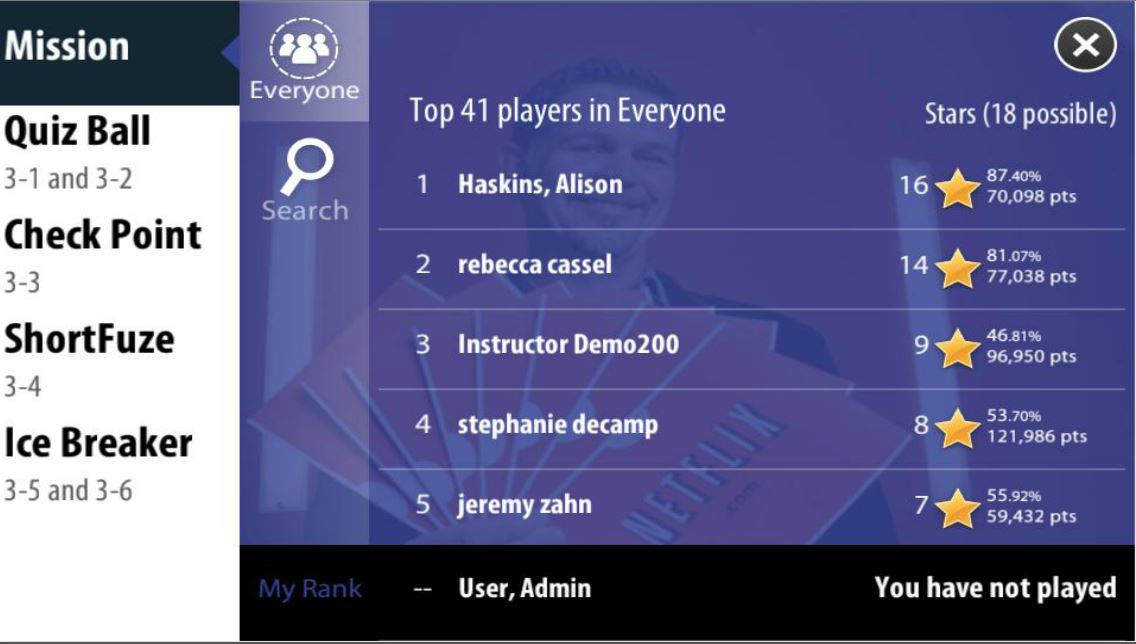
Figure 3: A leaderboard allowed students to benchmark theirprogress against others
Results
“The results from the four-week pilot were phenomenal,”Surette said. There were 86 students in the pilot study, who combined had morethan 6,200 game plays—over 70 game plays per student, on average. “Rememberthat these were disengaged students,” he said.
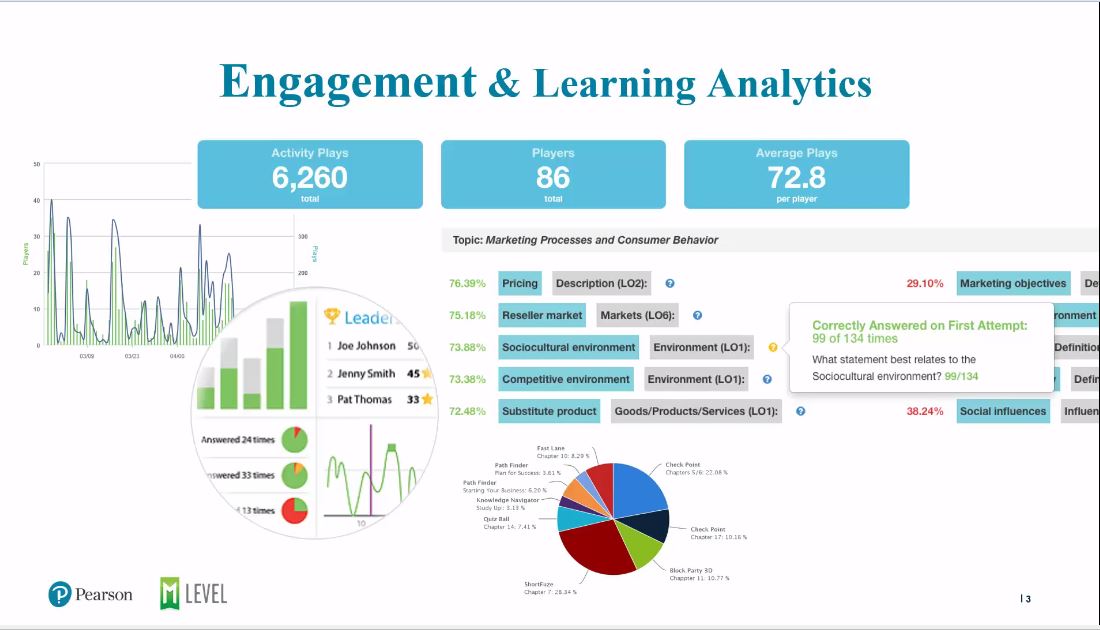
Figure 4: Engagement statistics were impressive
“In reviewing the early results, thereare two data points that would suggest mLevel LearningActivities are definitely improving student engagement,” Hansen wrotein a blog post, “Are You Ready to Engage Tomorrow’s Workforce?” He continued, “One of thedata points does specifically deal with the number of times that thestudents kept coming back to the content. The other addressesthe student and instructor thoughts on how engaging the experiencewas.” They found it more engaging than some of the most engaging lectures.
Hansen differentiates between engagement and entertainment. “‘Engagement’is the level of mind share and mental effort devoted to a learning activity bythe learner once the training begins,” he wrote. “If I simply spend time in content but don’t focus on what itis, understand what it is, or how to apply it, I am simply ‘experiencing’content but not really engaging with it.”
He called the numbers from the Pearson pilot “significant”and “compelling.” According to Hansen, 82 percent of the students in thepilot program felt mLevel was more valuable compared to any study tools theyhad used in the past; 95 percent found the leaderboards and competitive aspectsof the games motivating; and 91 percent said they would recommend mLevel to afriend.
Students interviewed about the pilot program said:
- “It was fun, so it made me want to do more.”
- “I think all classes should have this, orsomething like it.”
- “I loved mLevel because it was entertaining andI feel like it really helped me learn the material.”
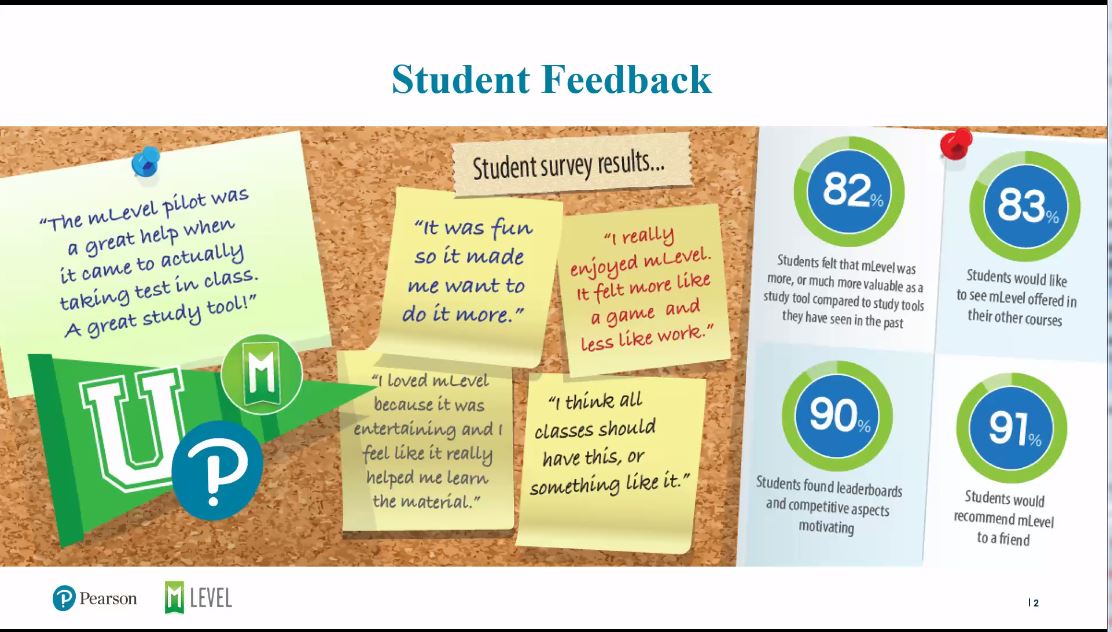
Figure 5: Student responses were quite positive
Feedback from instructors in the pilot program was equallyenthusiastic. “Gamifying the learning process reached students more effectivelythan the most dynamic lecture,” reported Ted Tedmon, an educator at North IdahoCollege in Coeur d’Alene.
“As students enter the classroom, it is important tointroduce material that they can relate to. They are eager to engage usingtheir mobile device, and that’s what makes the use of technology such a greatasset for my course,” said Caroline G. Yarbrough, assistant professor in the businessand technology division of Delgado Community College in New Orleans. “Usinginteractive gamification technology motivated my students to come to class andchallenged their participation with each other, which was great.”
The overwhelmingly positive response motivated Pearson toscale the authoring solution to three other introductory business textbooks itwas intending to launch. Although Surette was concerned that Pearson’s otherpriorities would limit available time and resources for the program, he waspleasantly surprised at how quick, easy, and inexpensive the process was.
“Suddenly this early exploratory project became feasible toscale, even within our existing budget,” Surette said. “We ended up creatingfour to five game ‘missions’ for each chapter, with content specificallyaligned to each textbook. There are 15 to 20 chapters to each book. So we aretalking hundreds of games in just a few months.”
The expectation is that the relatively small dollarinvestment will capture an unprecedented amount of valuable data that willallow instructors to more effectively assess student knowledge gaps.
Pearson may apply mLevel’s learning solution to other arenas.“We are hoping this is going to make some waves in the Intro to Businessmarket. We are evaluating this in other markets, as well,” Surette said.
Pearson and mLevel’s gamified learning solution, “IncreasingStudent Engagement in Business Education,” won The eLearning Guild’s Best of Show–Vendor award at DemoFest during FocusOn Learning 2016 Conference& Expo in Austin, Texas.
“This award validates our partnership with Pearson, whichallows us to be a key part of educating today’s students on important businessskills that they will require to be successful and productive members oftomorrow’s workforce,” said mLevel CEO Jordan Fladell.
Key takeaways
- Students are more apt to absorb material theyare not particularly engaged with when it is presented in a fun, gamifiedmanner
- mLevel’s system made it easy for Pearson toupload content, which could then be mapped to a wide assortment of games
- While this particular solution makes a lot ofsense for students who are comfortable using smartphones, it can be aneffective tool for learners of all ages in the workforce
Additional resources
In this short video, Surette describes the gamified learningsolution that mLevel created for Pearson Education.

Click here to access a webinar about the DemoFest winners at FocusOn Learning2016 Conference & Expo. Pearson and mLevel’s entry, “Increasing StudentEngagement in Business Education,” won the Best of Show–Vendor award. Toisolate that particular segment, select “#1 Grant” in the left-hand column ofthe Adobe Connect recording.