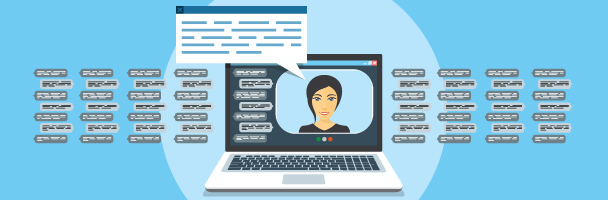
If we go by the definition, the environmentof a virtual classroom should be a replica of its traditional counterpart.However, that is not the most effective option. When designing a virtual instructor-ledtraining (VILT), it is possible to create an even better learning environmentand foster participation by mingling technology and effective instruction.
Here are fouruseful tips to keep in mind while creating VILTs:
- Keep it short and engaging
Any informationthat goes beyond a certain limit tends to irk learners, no matter howinformative it is. So, the first cardinal rule for keeping learners engaged isdesigning a VILT that is short and informative. Plan a session anywhere between60 and 90 minutes, with breakout sessions in between. (This is different fromasynchronous eLearning and video-based eLearning, in which session times aremuch shorter.) A breakout room allows the learners to interact among themselvesand with the instructor in a separate window while being part of the session. Ifyou have to teach long lessons, it is important to segregate them into shortsessions and allow learners to brainstorm, prepare for team activities, and askquestions during breakout sessions or through a chat window. This keeps learnersinvolved and also allows them to resolve their questions in real time.
- Build effectiveinteractions
It is challengingto create interactivity in virtual classrooms, but if done intelligently, thelearning experience could even exceed that of a traditional classroom. If youuse an effective VILT tool, you can create several moments of interactivity.For example, you can use ice-breaking exercises in the beginning of the sessionto generate a level of comfort among the participants, or open breakout roomsduring the session to allow them to mingle and prepare for an activity. You canalso share your screen or important documents in real time to enhance learning.It is easy to monitor learners’ performance during a video-based training. Youcan test their knowledge with multiple choice, yes/no, or true/false questions.
- Customize the content to createthe desired impact
While designingcontent for a VILT, it is important to keep benefits and drawbacks of thedesign in mind. If you already have content, this may still require specificchanges from an expert to suit the delivery platform. The presentations shouldbe graphic-rich with short, meaningful text. Slides should not be crammed withunnecessary images or content, and the trainer should elaborate the pointsthrough audio.
- Share and collaborate
Virtual classroomsallow participants to share the content, documents, or presentations and evenrecord the session, so it’s important that the trainer utilize these featuresto impart effective learning. You can share important observations throughwhiteboards, and learners can make online notes.
Executed well, VILTs can be an effective mode oftraining for your organization. They can immediately bring a large group ofpeople together and help companies save an enormous amount of logisticalexpenses. Sometimes, there is no replacement for face-to-face instructor-led training;but other times, if you take the same instructors and properly equip them in avirtual instructor-led training, it can be just as effective, if not more sothan the traditional method.