



Virtual Training
Synchronous learning enabling learners to interact with geographically remote instructors takes many formats, from webinars and live-streamed classes, to blended solutions.
-

Creating Training Videos That Stick: Small Changes for Improved Outcomes
In this webinar, Brian Da Silva, Head of Social & Influencer at VEED, shares insights from a global survey of over 3,800 employees, L&D experts, and decision makers. The results are clear: most believe corporate training videos are outdated—even those creating them.
-

The Illusion of Engagement: Why Some Virtual Classrooms Fall Short
In today’s digital learning landscape, where virtual sessions dominate, there’s a pervasive problem often masked by good intentions: the illusion of engagement. While facilitators and instructional designers strive to make learning “interactive” with quick polls, chat prompts, and icebreakers, these superficial tactics frequently miss the mark, leading to a significant disconnect between activity and actual learning. Even the most highly motivated learners begin to lose focus within a mere 10 to 15 minutes of a virtual session. This isn’t a sign of disinterest from the learner; rather, it’s a critical indicator that attention must be sustained with a deliberate, intentional…
-
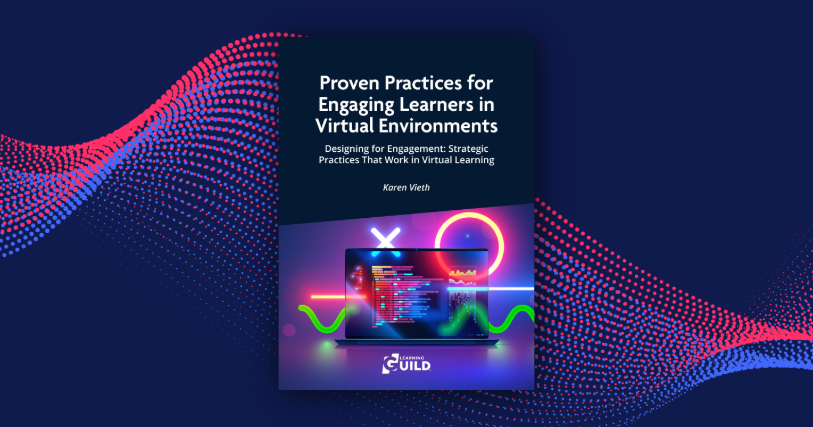
Proven Practices for Engaging Learners in Virtual Environments
By focusing on thoughtful design, purposeful facilitation, and creating environments where learners feel seen, challenged, and supported, this eBook transforms virtual sessions from content delivery into strategic learning experiences that truly drive connection and lasting learning.
-

Flipping the Classroom: A Case Study
By Dawn Peterson and Emily Tubman Introduction The Clinical Education team at Boston Scientific recently leveraged adult learning principles and a data-driven approach to redesign a Peer-to-Peer Mastery course. The following case study explores how flipping the classroom improved learner satisfaction, reduced costs, and more effectively aligned the course with how adults learn best. The challenge In a Peer-to-Peer Mastery course, expert physician faculty educate and train physician learners on the safe and effective use of medical devices for kidney stone and prostate procedures. The course was originally 1.5 days, and the format was 51% didactic lectures and 49% hands-on…
-
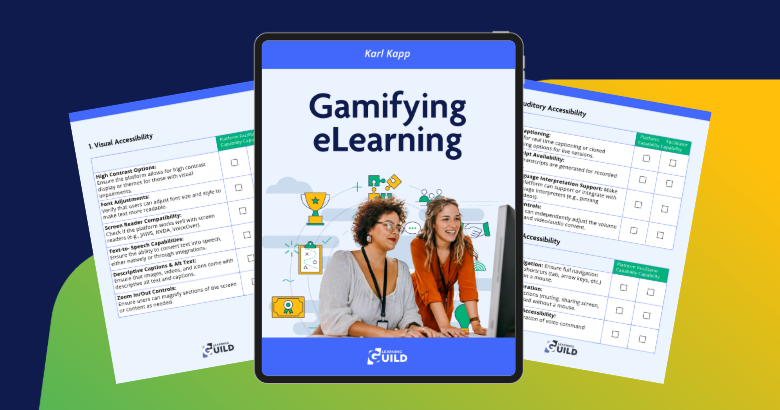
Gamifying eLearning
Boost learning with effective gamification! Kapp’s checklist helps integrate fun, replay value & challenges for real learning, not just points.
-

From Badges to Big Data: Junior Achievement’s Credentialing Journey
Junior Achievement (JA) reaches over 14 millionstudents annually, but what stands out beyond their scale is their innovativeapproach to workforce pathways in the U.S. In this session, we’ll explore howthey developed and scaled a credentialing strategy and governance framework andthe role of credentialing in bridging the gap between education and employment.
-

GenAI Powered Storytelling – A Gamification Case Study & Demo
In this session we will show you how we blended human-produced and AI-generated content to create a gamification project that uses episodic story reveals and accompanying points to reward progress. Join us for an inside look at this innovative, story-driven design approach to discover how you can leverage generative AI to create your own epic training odyssey!
-

AI Avatars in Learning: The Science of Engagement & Best Practices for Interactivity
Explore the science behind AI avatars inlearning! This webinar covers how human-avatar interaction impacts retention,best practices for coaching and simulations, and how to create immersive,interactive experiences that drive behavior change. Learn to balance realism,interactivity, and instructional design for effective AI-powered learning.
-

Making Virtual Learning a True Multiplayer Learning Experience
Virtual learning often falls into the “Netflix learning” trap, relying on passive lectures and minimal interaction tools like chat and polls. This approach leads to disengaged participants, instructor fatigue, and low retention of key information. To combat this, it’s time to level up virtual learning by embracing active, collaborative strategies that leverage AI-powered tools and creative design techniques.
-

Bridging the Digital Divide: Why Accessibility in Virtual Environments Matters More Than Ever
The shift to virtual learning highlights accessibility gaps. Simply having features isn’t enough; we need to master their use. The Learning Guild’s checklist helps L&D pros audit platforms & skills, ensuring inclusive design.