



Social & Collaborative Learning
The interactions between people and groups where information, knowledge and insight are shared to collectively improve performance and build contextual understanding.
-

The Human Factor: Moderators in a Creative Online Community
In online communities, members can produce tremendous amounts of content. In closely moderated communities, members submit more work, and get more feedback than members of communities with no active moderator. Here’s an exploration of what the most effective moderators do that makes a big difference.
-

Designing Learning for “When Things Go Wrong”
When things go wrong, there may not be time for employees to fire up an eLearning module, attend a class, or get some coaching. The problem has to be fixed now. This is a key moment of need that formal and informal learning strategies often fail to address. There is a strategy that works, though – leveraging social media and job aids. This week’s tip shows you how.
-

Fundamentals of Social Media Support for Learning
Social interaction has always been, along with experience and practice, a mainstay of learning for human beings. Until recently, this took place primarily in the “informal” arena. The use of online social media to support formal learning has now entered the picture, extending the blended learning paradigm. Here is a set of tips for adding powerful social support for learning.
-

Boots On The Ground: Introducing A Community of Practice at Bechtel
A key activity for learning and development groups is supporting the growth and effectiveness of informal and collaborative learning among employees or members of a community of practice. Social and mobile technologies are essential to success, as this case study illustrates. This is essential (and inspiring) reading for all!
-

Nuts and Bolts: Inviting Interaction
Instead of asking how to manage informal learning and which tools to use, ask yourself whether you are inviting interaction, and how. Here are some excellent ways to make informal learning more visible to both managers and employees, and to invite interaction and develop something more akin to a partnership with your learners.
-

The Human Factor: The Connection Between Social Networking and Learning
Pondering how to create a social media strategy that supports learning? Research suggests that an effective strategy may be simpler than you think.
-

Nuts and Bolts: Social Media for Learning
What’s the difference between social media and social learning? How are you using each of them in your organization? This month’s article addresses these questions and provides an overview of The eLearning Guild’s new Report, Social Media for Learning.
-

Building An Online Learning Community
How can an instructional designer (ID) leverage social interaction online to engage learners, increase exchange and dialogue, and get better results, without losing the purposeful focus provided by an instructor or traditional course content and structure? Here is an approach that you can adapt to your requirements.
-
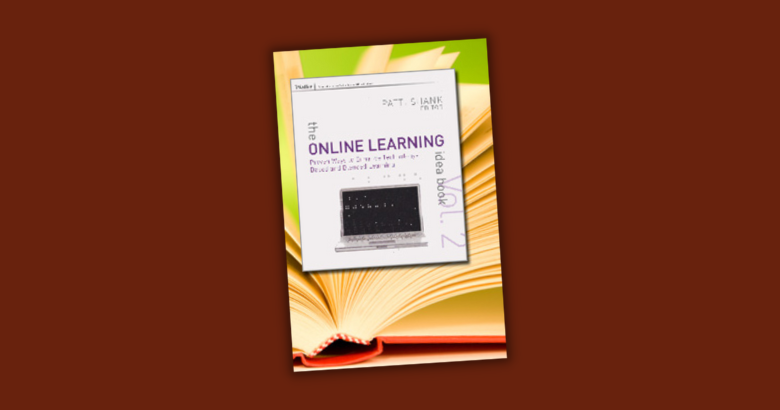
Book Review: The Online Learning Idea Book, Vol. 2
Volume 2 of Patti Shank’s The Online Idea Book is now available. Continuing with the approach she used in Volume 1 four years ago, Patti has updated the book with over 80 new ideas from practitioners in the field, covering new approaches to online learning, such as the use of social media, new tools, and other innovations such as Pecha Kucha.
-
Social Media for Learning
In this report, Jane Bozarth, Ed.D., analyzes eLearning Guild research on the latest trends in adoption and usage of social media for learning. Weaving connections between data and individual interviews, Jane also discusses organizational challenges and concerns about social media, and offers suggestions to overcome them.