Though I rarely do traditionalclassroom work now, I’m still around it all the time, as it’s what my co-workersdo all day, every day. Our halls are full of people here to attend classes. I hear them before sessions and during breaks, talking to oneanother or on phones calling home or back to the office. Often they areenjoying the class they’re in. And often they complain that the sessions aregood, but not quite realistic, or not always relevant to their needs. In theclassroom, a good trainer can adjust on the fly, a luxury not available to the eLearningdesigner. Here are some common issues and ideas for overcoming them.
Talkto the workers
My husband, Kent, works for the US Postal Service. Onceduring the winter holiday rush, as lines got longer and tempers grew shorter,he was pulled out to help on the front line for a bit. Just as he stepped up,someone from management saw the date—near the end of the year—and realized Kentneeded to complete some mandatory customer service training ASAP. So he getspulled from the line to … sit in a back room, alone, and watch a customerservice video. He has seen a number of these videosbefore and says they’re all amazing: All the customer service trainingmaterials show articulate, well-dressed, perfectly groomed people who all,miraculously, have exact change.
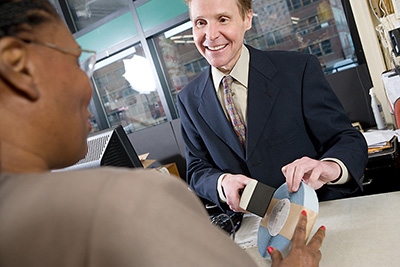
Figure 1: Customer service trainingmaterials
So Kent watches the video, signs somethingattesting to same, and then heads back out to the main floor. There, he is metby a longer line of customers, now angrier than they were when he left. Hisfirst customer? More or less the guy in Figure 2.

Figure 2: Customer service reality (Source:YouTube user FalseFrontsFX)
A couple things here:
- There is a complete disconnect between thelearner’s daily life and the one depicted in training scenarios. Perhaps theyare too pristine and “clean.” Or perhaps resolution is achieved in practicemuch more easily and neatly than it ever will be in real life. How can you get better information to help you with morerealistic examples and problems? What would make your work more credible to theend users?
- There’s no such thing as fidelity. I’m sure thepeople who paid for it, developed it, and deployed it never intended for thatvideo to be shown at the last minute under such duress. The very setup adversely affected the customers that Kent was trying toserve. But that kind of thing happens all thetime. What do you know about how training will be deployed? How can youinfluence conversations about that?
Whathappens in the classroom is sometimes worth knowing
For years I’ve beenwriting about the dangers of trying to “convert” classroom training to online,as it is so often nothing more than an upload of slides and other staticmaterials, often even without notes. I suggest instead thinking of it as “transforming”by trying to capture what a good instructor brings to that experience. It’shard to do that if you’re just going by input from SMEs (subject matter experts)and supervisors, or from reviewing materials and lesson plans that may not tellthe whole story. Try to sit in on some classes and see what’s really going on.
For example: Iwork for state government. As we are taxpayer-funded,we do a lot of work around customer serviceskills. There are pretty standard means ofproviding classroom training. When you’re tasked with creating something foronline delivery, you do due diligence and talk with stakeholders. It’s often decidedthat the training will focus on basic skills like making eye contact, matchingthe customer’s energy, and sitting or standing to make eye contact. What thestakeholders likely don’t mention are the few but important outliers. Consider our county van drivers, the ones who do things like drive senior citizens tomedical appointments. They typically fall undera broader category like “operations” or “transportation,” so they areenrolled in the same general training as other staff.
Compared to other serviceproviders, a van driver’s situation is unique in a few ways:
- The driver always has his or her back to thecustomer
- The driver makes eye contact through quick glances in a mirror
- If there’s a problem, the driver has to get the vanoff the road, to a safe spot, and notify a dispatcher about the issue
When a van driver turnsup in our face-to-face sessions, the classroom trainers will adapt the usualactivities to give this participant some realistic practice. Figure 3 showswhat happens in the traditional classroom.
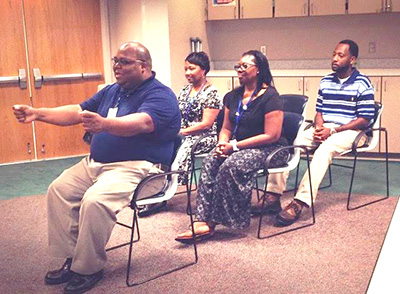
Figure 3: A van driver has unique constraints when deliveringquality customer service
It’s the kind of thing that all the trainers knowbut that probably isn’t documented anywhere. Sittingin on a few classes might give you some insight into unusual circumstances oroff-the-cuff accommodations. Transforming this content might mean a few extrascreens or a short separate module, but recognition of unique worker needswould shore up a course’s credibility—and effectiveness.
So: Try to getaccess to the workers who actually do the work. Askto look at things like internal discussion forums or status reports. Talk to HRabout accident reports, or trends in worker grievances, or performance reviewdata in the aggregate. Try to get specificsabout the target audience. Are there any unique situations, like the van drivers’? And finally,work with stakeholders to draft and communicate a plan for deploying programsas they’re intended. There will always be issues with fidelity, but perhaps youcan help influence implementation in ways that, at the very least, won’t makeproblems worse.
When you’re looking at “converting” classroomtraining to an online format, try to actually get to the classroom event. Getclear on what really goes on there, as opposed to what you might hear in ameeting or via document review. Talk to the trainers or facilitators who run classroom events,and ask them about any tricks or special adaptations they might employ. Thenwork on ways to bring the richness—and maybe even fun—to the worker’s onlineexperience.