So my husband has a brain tumor. Since his diagnosisand surgery last year I’ve spent a lot of time interacting with performers inthe healthcare system. Many of us in the eLearning business are called on toproduce programs around administrative content (electronic records, HIPAA) oreven clinical skills (handling sharps). (Editor’s Note: “Sharps” is medicalterminology for devices designed to puncture or lacerate the skin. For readersoutside the US, “HIPAA” is the federal Health Insurance Portability andAccountability Act of 1996.)
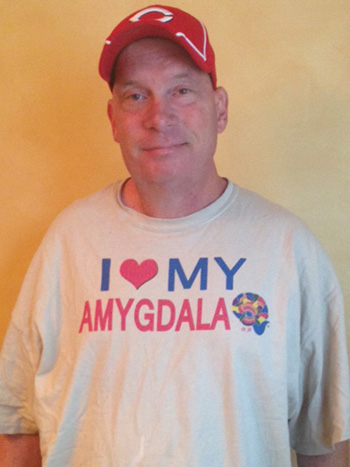
Figure1: Kent, post-op (Photoused by permission)
But every interaction reminded me: “Job performance” goesbeyond a particular task in a particular moment.
Old-school training still matters
I’ve spent much of my career in proximity to trainingprojects with questionable efficacy, mostly related to policy awareness orconcepts like diversity or ethics. It’s made me often question the usefulnessof training in general and face-to-face training in particular. But when you’reconfronted with helping someone who’s just emerged from brain surgery withbalance and vision problems, who is about to be sent home to navigate stairsand showers, the effectiveness of hands-on training is no longer a question.
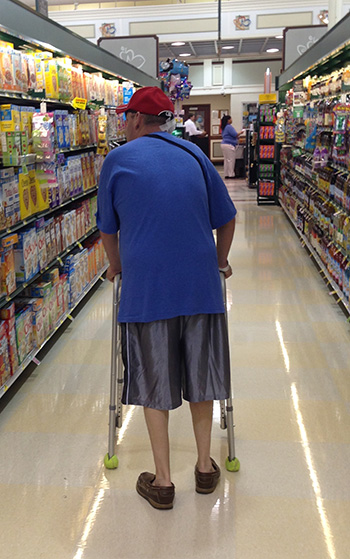
Figure 2: Training matters (Photo used by permission)
A fabulous occupational therapist assessed Kent’s needs and designedinterventions that she then implemented.Then he was evaluated by means of ascheduled “independence day”: successfully showering, grooming, and dressinghimself with minimal help meant he could go home. By the way: She knew he wasready before he did. She knew he would be successful due to her ongoingformative assessments during the training phase rather than waiting until somefinal terminal assessment to determine that.
Know what else? There were no slides. Or lecture. Orpresentation of “content.” There was practicing letting go of a walker, palmingthe walls of a shower stall for balance, and getting situated in a showerchair. And then back out. At least half a dozen times. First with help, thenwith coaching, then alone.
What else mattered? Things that surprised me. And they’reall things that L&D can support.
Affect matters
When someone is explaining how they are going to cut intoyour skull and mess with your brain stem you really really need that person to be strong and confident. Not tentative.Not hesitant. Eye contact. Clear language. One day on a clinic visit weencountered a pinch-hitting nurse from another unit who exuded no confidence atall. She kept asking me what sheshould do about removing his sutures. Kent didn’t want her to touch him and onour way out we just sought out someone else to confirm everything she’d said.It was wasted time for us and for them. Funny, the nurse we went to—someone weknew—said the tentative one we encountered was “a very good clinical nurse.”But you sure couldn’t tell it. Patients need to feel they’re in good hands, andthe demeanor of the caregiver is important. Confidence comes partly from skilland experience, yes, but it’s also partly how one comes across.
So: knowledge, experience, confidence, assertiveness, clearlanguage, eye contact? Hire for it. Train for it.
[Caveat: You also must learn to not take all that confidenceat face value, to separate the factual from the snake oil. It’s up to thepatients and their advocates to verify and research and curate and be sure theconfidence is justified. ]
Community matters; open-mindedness matters
Things Kent and I learned early on: the world makes it easyto become an invalid, and the process ages you in ways you don’t anticipate. Oneof the most heart-wrenching memories I have is of watching my youngish husbandstruggling with an aluminum-frame walker on the sidewalk in front of our house.He looked 85 years old, head down, with that familiar slowlift/shuffle/set/repeat you see at eldercare facilities. Then a friend whose husbandhad balance trouble after back surgery sent the most wonderful gift: a pair ofhiking sticks. These offered Kent enough stability to get rid of the loathedwalker and made the world more accessible to him. (As ever, it frustrates methat so often these things are so serendipitous: I happened to post a pictureof him with the walker on Facebook, and a friend whose husband had had backsurgery happened to see it.)
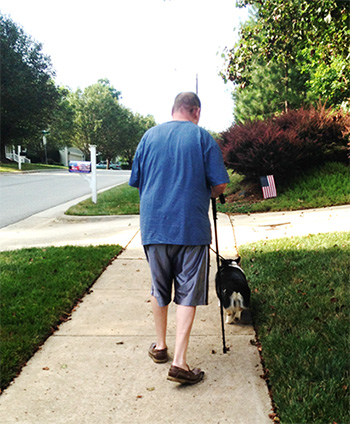
Figure 3: Kent walking the dog for the first time post-op (Photo usedby permission)
The sticks were just what he needed for his balance and—thismatters more than I can explain—they made him look much less … impaired. Insteadof an elderly, struggling patient with a medical device, he looked more like aneccentric middle-aged guy wandering around the grocery store with hikingsticks, training for his Kilimanjaro climb. It mattered. He loved the sticksand took them to his occupational therapist for her OK. The OT, in a room fullof “approved” walkers and canes, admitted they were a new solution for her andone she’d keep in mind for other patients.
So: Hire people who are open minded. Put them in systemsthat allow some flexibility about the rules. Train for creative problem solvingand finding new solutions and in flexing approved methods against patientcomfort.
Culture matters
We had many trips back to the hospital, and the minute staffsaw my husband with walker or cane or hiking stick, or even just reaching tosteady himself on a table or door frame, they slapped a bright yellow all-caps“FALL RISK” bracelet on him.
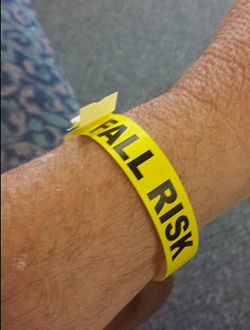
Figure 4: Fall Risk bracelet—part of the culture
He had never once fallen, and he hated the bracelet, but oneof the biggest risks to a patient—especially someone post-craniotomy—isfalling. The hospital knows this and has managed to create awareness in everycorner, every nook, and every shadow of the huge medical complex. I heardworld-famous neurosurgeons mention it. And food service workers. And the peoplein the insurance office. And the radiation oncology reception staff. You sawnotices about fall prevention everywhere. There were posters with warningsabout falls. There were posters with pictures of the bracelets. And you couldspot those yellow bracelets at 50 paces. One day, headed back to a clinic for acheckup, a neuro nurse with a PhD saw that some water had dripped from acooler. She did not call housekeeping. She did not put up a “wet floor” sign. Shedid not ask some lesser mortal to take care of it. She asked us to stand thereand watch it while she went for paper towels and cleaned it up. It’s notsomeone else’s job. It’s not up for debate. It is part of the culture.
When I mentioned this to a training acquaintance at thehospital she said the fall prevention program is only a part of a much largerfocus on patient safety, and is perhaps one of the things more visible tovisitors like me. “It’s wonderful to hear that it’s being noticed,” she said. “We’vebeen working on it since 2007.”
So: remember that culture change can happen, but it takespatience and persistence and energy and time, and it won’t come from ahit-and-run initiative launch with an implementation deadline six months away.
Street smarts matter
Even for patients with not-so-serious issues the Americanmedical system is a puzzling, complex organism with many moving parts. A greatally to the patient is the staff member who has a system view of theenvironment and sees how the different parts fit together. She understands howthe typical schedule for radiation treatments connects with appointmentavailability in the MRI unit. He knows you can’t walk from the surgeon’s officeto the imaging center in under 10 minutes. A friend currently undergoingtreatment for breast cancer says: “The difference between someone who knowswhat to do and how to deal, and someone who does not, is night and day.”
So: work to make training encompass a broader world view thanjust working in a specific role or in a specific area. Encourage partnering andshadowing and communities. Encourage everyone to show their work. Find ways tohelp cross streams and connect silos.
So what?
Again, many of my readers have likely worked on healthcare-relatedadministrative or technical skill training. I have. But it’s important toremember that “job performance” goes beyond a particular task in a particularmoment. People are actors in a system. And the stakeholders referenced in somany of our conversations might include people who aren’t management oremployees or governing bodies but customers—and their wives. I was disheartenedwhen, not long after the surgery, I encountered a self-proclaimed “L&Dthought leader” who insisted that the patient’s perspective of nursingcompetencies was irrelevant. Because her 85-year old former-nurse aunt said so.I’m glad we were never at her mercy.
P.S.
Kent went back to work last month, one year and two daysafter the eight-hour surgery. He gave up the hiking sticks last fall. He’lllikely always struggle with the tumor’s damage to his vision, which affects hisbalance a bit as well. But he’s alive and walking, talking, and working.
Note: Thanks to Jason Willensky,healthcare-related eLearning developer extraordinaire, for his editorial help.