This month, let’s take a “Nuts & Bolts” look at theimportance of concept in eLearningdesign, specifically the use of themes and how they can support—or harm—learning.When approaching content for an eLearning course, there are myriad reasons forgoing with a theme.
For the learner, a good theme can make or break an eLearningcourse: It can offer familiarity, support engagement, hold learner attention, andbuild atmosphere. It can invite interaction and offer learning support byproviding material in a memorable way, linking topics and shoring up retention.
For the designer? It’s our struggle to find some way to castcontent—often dry, compliance-y stuff—in a way that makes it more palatable. Findinga theme can make the content more interesting to work with and can help you makeyour work more visual; it can be a great idea-jolter and can make the work ofbasic layout and visual design easier going. A carefully chosen theme can be agreat teaching tool and can provide a designer with an interesting, engagingframework.
For instance, Kevin Thorn’s“Mission: Turfgrass” (Figure 1) invites the learner to assume the role of a soldierout to save the American lawn from weeds and grasses. The theme suggests color,graphics, tone of writing and voice-over, and content outline, all supported bya narrative thread that encourages forward motion.
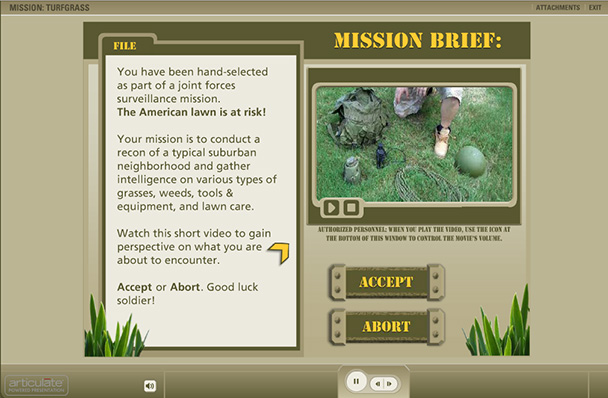
Figure 1: “Mission: Turfgrass” by Kevin Thorn
(Source:https://elearning-examples.s3.amazonaws.com/MissionTurfgrass/player.html)
Popular themes
When looking for a theme for your content, you can draw onwhat you already know about dramatic plots. Think about things like:
- Hero on a quest
- Avenger righting a wrong
- Bold leader conquering an adversary
- “Goofus and Gallant”: Comparing a bad performerto a good performer
- Conquering or slaying a monster
- Taking a tour, going on a trip, or completing a journey
- Detective or scientist unraveling a mystery orenigma
- Assembling the puzzle of (topic)
On the other hand…
Sometimes a theme invites a level of abstraction that provesvaluable in reinforcing learning—and sometimes not. Knowing your audience andthe reality of their work is critical, as is a willingness to assess your ownwork honestly.
Some years back, I was weeks into storyboarding a course formanagers, “Navigating the Jungle of HR Policy,” featuring a cartoon explorer encounteringdifferent animals and obstacles like quicksand, and I just loved it. It wasgreat fun to work on, and I got a lot of validation from my co-workers about it.Then one day I took a step back and thought, “My law enforcement people aregoing to hate this. It’s too cute; it’ll be annoying, and they’ll resent thetime they’re having to spend with it.”
I ended up going with a “Navigating the Maze of HR Policy”theme instead. It was very well received and, fortunately, the changes weremore cosmetic than architectural: I was able to keep most of the basic storyline,barriers, challenges, etc. Sometimes it’s just the wrong metaphor for the topicor, in this case, the audience. My goal was to address the common complaintthat navigating HR processes, especially in government, seems to be full ofobstacles and pitfalls and delays.
While it was too cute, the “jungle” metaphor was otherwisepretty relevant to that, but the “maze” ended up working just as well. Andsometimes the theme just invites too big a stretch on the learners’ part: Afriend remembers an online tutorial involving an elaborate medieval castletheme … for a course on auto damage claims.
One of my favorite design tips? Put your hands in the air andstep away from the computer. Before you start playing with graphics and loadingcontent, just give some thought to whether there’s a theme that could help youframe the project in a more useful or interesting way.
Want more?
As ever, the members of Articulate’s wonderful eLearning Heroes community freelyshare ideas; you’ll find plenty of inspiration there for ideas about themes andother treatments for content.
Also, see my columns on finding a treatment and metaphors.
Headed to DevLearn?I’ll be there with sessions on accessibility, music and the brain, and communities of practice. Join me November 16 – 18!Registernow!