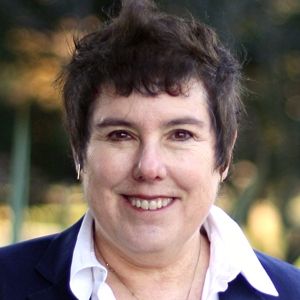
My name: JeffWalter
My company: LatitudeCG
My title: CEO
My location:Saline, Michigan
Best business advice I ever received: I have received a lot of good advice. Here are somehighlights:
- Cash isthe lifeblood of a company. Most businesses fail because they are squeezedfor cash. Mismanaging cash flow is the number-one killer of businesses.
- Take careof your employees. “They” say that as CEO, your job is to take care of thecustomer, but I firmly believe that begins and ends with your treatment of yourown staff. If you take care of your staff, they’ll take care of yourcustomers.
- Don’t beafraid to fire a customer. I’m completely serious, and this goes back tothe importance of taking care of your employees. Some customers, regardless oftheir profitability, can suck the life out of your organization because theyare abusive to your staff. If a customer’s behavior is out of line, speak up.Clients that behave rudely and demoralize your staff are not clients worthkeeping.
- Don’tconfuse selling with staffing. Opportunities often present themselves thatyour organization can’t deliver on. Many managers will dismiss them, howeverthese seemingly “one off” opportunities are really signals of emerging marketneeds. If you get the right people and create the right culture,you’ll be able to deliver on any opportunity. It might take people out of theircomfort zones, but it often leads to future growth.
Most daring personal career move: Leaving a growing, successful consulting firm where I builta large practice, and moving my family halfway across the country to Michiganto be a part of the dot-com revolution. Within six months of my arrival, thatbubble burst. Within two years, we had laid off 95 percent of the office. Onthe face of it, it was not a good career move. However, as the dust settled Iwas afforded the opportunity to spin off the office and Latitude was born. Fifteenyears later, we’ve quadrupled in size and are going strong.
What I’m most proud of:I will divide that into two categories.
Personal: Mybiggest personal accomplishment has been raising two wonderful daughters. Bothare in their 20s now, and they are amazing human beings.
Professional: I’mvery proud to have built a company that treats its staff with dignity andrespect. It allows them to earn a living while being able to do life-affirmingwork in an environment they enjoy being a part of. That is so important to me.People can be productive, earn a good living, and have their souls enriched atthe same time. When they leave the workplace, that positive energy follows themwherever they go. It has a direct and beneficial impact on their interpersonalinteractions, and it helps to improve every other aspect of their lives. Workdoesn’t feel like work when you enjoy what you do. I’m proud to have created anenvironment where employees can earn their daily bread in a manner that’spositive and life affirming.
Current workplace challenge: Every successful business’s formula is based upon threethings: great product, great processes, andgreat people. We have all three. Over the last couple of years we’vesuccessfully transitioned from an IT (information technology) consultingfirm to a software company. (The CG in our name, Latitude CG, stood forConsulting Group.) Now we need to inform the world in order to ramp up oursales. We have the product, the process, and the people; the current challengeis figuring out how to share that product, and our whole ecosystem, withthe rest of the planet.
Something people don’t know about me: When I was 19 and in college—and without telling anyone—acouple of friends and I decided to go skydiving. I had never even been in aplane before. My first jump was a tetheredsolo jump; not a tandem jump like it is today. Then you were on your own. About30 feet from the plane your chute automatically opened.
We went through a few hours ofinstruction beforehand where they told us what to do in case it didn’t open,and how to position our bodies during the jump. We were taught to arch ourbacks with our stomachs out in order to stay face-down until the chute filledwith air. We practiced by jumping off of picnic tables, but that doesn’t giveyou the full effect of what a jump is really like.
After the chute deploys, it takes about30 seconds to fill with air. Instead of counting to 30 after I jumped, all Icould hear inside my head was “Arch, arch, arch, arch, arch, ARCH!” until Ifelt the reassuring tug of the chute.
I was sailing through the sky thinking,“This is cool; this is awesome; I’m going to live.” As I got closer to thelanding zone, I realized that the guy on the ground with the bullhorn guidingme down safely was actually a young kid. On the ride back, I learned that the12-year-old who directed us to the landing zone was also the person who packedour chutes. (I’m sure it was under his parent’s supervision; at least, I hopeso.)
This experience became a running jokefor the next two years because I didn’t fly on a commercial plane until I was21. When people would ask if I’d ever flown, I’d reply, “Well, I’ve taken off butI never landed.”
While I haven’t gone skydiving since,fortune often favors the bold and you never know what you’re capable of untilyou try.