Is your training content more like beans or ice cream? We’llcome back to that…
Content is a big consideration for organizations that are tryingto evolve their learning and performance strategies. Most L&D teams,especially in large enterprises, aren’t starting from scratch. You’ve likely spentthousands of hours and tens of thousands of dollars building your contentlibrary. You’ve pieced together customized curricula that map to job codesacross the company. You’ve even categorized your library based on theHR-approved competency list. Sure, half of this stuff was designed pre-2010,but it’s your content. You want tomake the most of it! So, if you start to explore new strategies ortechnologies, you have to consider what may happen to all of that content.
There is, of course, a reason you’re looking for new ways tomodernize your L&D practices. No, it’s not your content’s fault, but yourcontent may be a symptom of a larger problem that continues to stifle many L&Dteams. The more courses we have and the more topics we cover, the better we canexplain our value to business stakeholders. Or at least we thought that was howit worked. We’ve fallen into the trap of associating our value as L&D toour content. But the workplace isn’t school—even if we do throw around the term“university” all the time. We’re no longer judged by seat times, completions,and test scores—even for compliance topics. In real life, the only content thatmatters is content that has a measurable impact on business results.
Transformation, not evolution
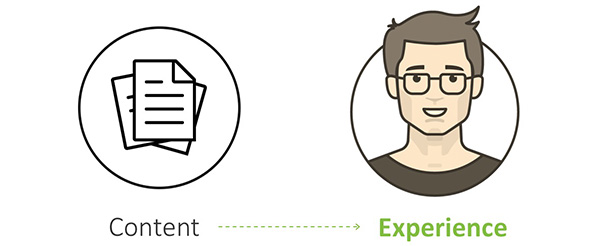
Figure 1: The fundamental mindset shift required of L&D today
Kick-starting the transformation to become a modern learningorganization requires a fundamental mindset shift. Rather than put our libraryat the center of our efforts, we must shift our focus to the individualemployee and design a right-fit learning and support experience that enablesorganizational goals. We must view content within the framework of thisexperience design and apply new criteria to determine its value. This includescontent you already have, as well as new materials you will build as part ofyour reimagination.
Beans vs. ice cream

Figure 2: Beans—available but not in demand (Pixabay)
Back to the beans and ice cream. Many L&D pantries arestocked with content that fits one of two extremes. In this analogy, beans arematerials that are always available for consumption but not all that appetizingor in demand. I’m looking at you, generic soft-skills training! We often spendbig dollars to build archives of third-party content for the sake of saying weoffer courses in familiar things like communication and Excel 2010. Sure, somepeople like beans. Of course, they’re better than nothing. But, if you look atyour utilization rates, you’ll likely notice employees aren’t knocking down thepantry door for heaping servings of beans.

Figure 3: Ice cream—yummy, but it isn’t good for long (Pixabay)
On the other side of the pantry is the ice cream. Thiscontent tastes great and gets awesome feedback—because who doesn’t like icecream?! However, ice cream also expires pretty quickly, meaning this content isonly good for a short time. This can include materials from past productlaunches, cultural initiatives from five years ago, and systems training you’vebeen duct-taping for the past decade. That initial burst of engagementultimately doesn’t lead to sustained business results, and the content’s usefulnessis diminished after initial consumption.
Now, take a close look at the 600 LMS modules that arestopping you from making a meaningful change to your L&D strategy. I’m sureyou have several great content pieces in your mix. But, honestly, how many ofyour courses are a bit beany, and how many are starting to taste like expired,melty ice cream? (I’ll end the strained food-analogy here.)
Assess and replace
As you work to boost your L&D impact, assess yourcontent strategy in order to determine how well it aligns to modern learningprinciples. Specifically, a modern content strategy must:
- Focus on providing clear, measurable businessvalue (not completions or passing scores)
- Be built for agility so content can evolve withthe business (not become stuck in the past)
- Address the capabilities needed to executecomplex roles (not focus on job titles only)
- Abide by organizational resource capabilitiesand limitations (not the skills of a single developer or vendor)
- Acknowledge alternative learning content sources(aka, the Internet)
- Keep pace with consumer experiences (becauseemployees will notice the difference)
Modern learning organizations recognize that library size doesn’tmatter. Rather, they leverage smaller selections of meaningful, high-impactcontent that help individuals and the business achieve their goals.
Here are six steps you can take if you think your content isholding back your L&D evolution:
- Forget aboutyour content (for a moment). Blue-sky your learning and performanceexperience design based on the changing needs of the business and without thehindrance of existing content. Work your way back from future potential ratherthan worrying about what’s possible right now.
- Expandyour definition. Modern L&D teams leverage a wide array of content froma variety of sources. Rather than focus on what you have built or bought,include open-source, curated, and user-generated content in your evolvingstrategy.
- Have afrank conversation. Be honest with yourself. What content matches your newexperience design and should therefore stay in some form? What doesn’t, andneeds to go? Make these calls based on real impact, not Level 1 scores or past expense.
- Don’tthink rip-and-replace. By no means am I suggesting you toss your entirecontent library and start from scratch. You may be able to eliminate largechunks right off the bat; however, it’s more likely that you’ll be making smallchanges over time based on business priorities.
- Apply anecosystem mentality. A modern approach to learning starts with access toshared knowledge. Begin your evolution by finding new ways to connect those whoknow with those who need. This will help you quickly build a curated collectionfocused on real needs, not artificial competencies, and help cushion theremoval of less valuable formal content.
- Never letyour content become beans. (OK, one more food reference.) Contentmanagement processes are often focused more on accuracy and less on value.Leverage performance data and the wisdom of your crowd to continuously evaluatethe value of your content. If an item is no longer deemed useful in helping peoplesolve a problem, what’s the point in keeping it around?