CatrionaMoriarty is the director of learning and development (L&D) at energytechnology provider Opower, and she is responsible for designing andimplementing learning programs for over 500 staff members worldwide. I recentlycaught up with Catriona to learn about how her company approaches L&D, creatingeffective learning for Millennials, and why learning professionals should bethinking about virtual reality today.
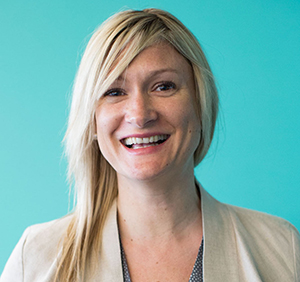
Catriona Moriarty
Doreen Lorenzo: Where doeslearning and development fit within Opower? How is it all structured?
Catriona Moriarty: I report to the seniorvice president of people. We’re an independent arm of the people team. Wemanage our own budget and design and deliver learning interventions. We alsoliaise with external consultants for business-unit-specific technical needs.
DL: What are some ofthe training challenges within your company, and what are you trying toaccomplish? What are some of the goals you are setting out that you feel havingL&D in the company is helping your employees solve?
CM: I think it’s thetypical challenges that you get in many organizations today—we have adispersed, distributed workforce; we have people in separate offices, differenttime zones, that global aspect. So the challenges in terms of learning areresponding to the needs of the business first and prioritizing what it is thatwe’re going to work on, being that we’re a tiny team. After we set thosepriorities, it’s how do we actually get our content out to people in thatdistributed environment. And what all the different modes of delivery are thatwe can leverage to make sure that we’re getting the content to people when theyneed it, quickly.
DL: Both Millennials’unique learning patterns and the rise of contract workers are changing theculture of work today. As you start to think about learning programs, does thatfactor into how you design these programs?
CM: In general, Ithink Millennials’ attention spans are a little bit shorter than Baby Boomers’attention spans. That is actually a good thing because you have to be reallyfocused on whatever it is that you’re teaching. So I start with identifying theaudience, figuring out who it is that you’re teaching the content to, andmaking the tweaks so that it’s sticky and relevant to them. Then I make surethat we’re communicating those objectives to them and also setting up someinformal moments throughout the day so that they can have that social and peer-to-peerlearning amongst themselves.
DL: What are some ofthe L&D trends you’re following closely?
CM: One of the thingsright now that I’m really fascinated with is looking at virtual reality andwondering if there’ll be some extension of it that we might use to leveragethat technology in the workplace. Particularly, when I think about things liketrying to teach something like empathy, or trying to teach some of these softerskills, there could be a real opportunity there to look at how we might simulatesome of these emotions for people by giving them that safe space to kind ofexperiment and try on new behaviors and new, maybe less comfortable ways ofinteracting with each other. Video learning and body language, actually beingable to see and experience someone you admire make a sale or finesse anegotiation—now that is a memorable and sticky learning moment.
DL: Can L&D fuelthe innovation process within companies?
CM: Absolutely. Looking at building people’s skill setsaround understanding differences between people, and then how they interactwith each other, is so important to whether or not the best ideas get heard. Sowhether or not the best ideas get put out on the table in the first place, it’sreally simple when you think about meeting-management practices where peopleare interrupting one another, not being cognizant of speaking patterns and whois dominating a meeting. So with things like that, I’m always reinforcing thisidea of being mindful of your impact on others within the organization. Whatare those communication preferences or those decision-making styles that youare bringing to the table, and are you really actively inquiring into otherpeople’s reasoning and truly coming from a place of inquiry versusalways just advocating for your idea being the best idea? So it’s things likethat that throughout all of our programs I’m hoping to instill in people; thisidea of being curious, this idea of needing and wanting to learn about otherperspectives at every step of the way, whether that’s in a product discussionor in people’s day-to-day communication style.