
I regularly have conversations with L&D teams that arelooking to modernize their workplace learning practices. I always start withthe same question: “What does ‘modernize’ mean?” I can’t help but think of Back to the Future wheneversomeone talks about “modernization” or the “future of learning.” On that note,I’ll be right back…

Figure 1: One hundred sixteen glorious minutes and 1.21 gigawatts later….
If the BTTF filmsteach us anything, it’s that the future is a moving target. Otherwise, we’dhave hoverboards that actually hover by now.
The world of work is also in a constant state of flux. Ourinability to keep pace with its evolution has created a gap between what peopleneed and what L&D is ready to provide. This is demonstrated in the popular “Meet the Modern Learner” infographic fromBersin, which I have adapted into this slide (Figure 2) for several recentindustry presentations.
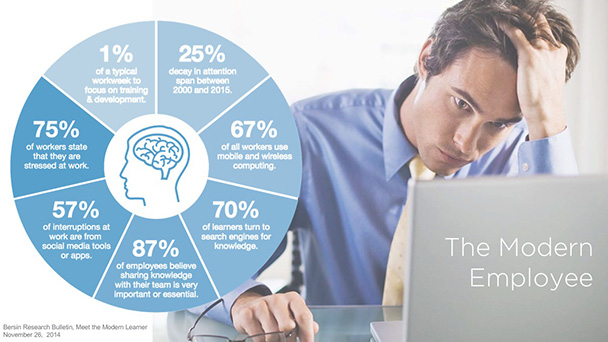
Figure 2: Meet the modern employee—a learner
L&D teams now feel pressured to “modernize” theirpractices or risk being erased from existence. This brings me back to thequestion, “What does ‘modernize’ mean?” Plenty of people—practitioners, thoughtleaders, vendors—are coming forward with ideas on how to bring L&Dpractices up to speed. Whilethese tactics continue to prove effective, they don’t fully define the conceptof “modern learning” in today’s workplace. So what is an appropriatedefinition? Well, if you read the title of this column, you already know whereI’m going with this…
Unlike some L&D pros, I don’t believe any of our legacytactics are “dead.” For example, instructor-led training and eLearning stillhave plenty of potential. They’ve just been misused for a long, long time. So,if nothing was inherently wrong with our past practices, what facilitated theneed to modernize in the first place? It may seem like a bit of a paradox, butit’s actually a pretty simple story. Businesses have recognized the lack ofimpact from L&D practices. At the same time, employees have disengaged andfound better options to help them do their jobs. This disconnect isn’t justabout content, design, or technology. Yes, it’s about all of those things; but,in real life, it’s foundationally about VALUE. Tactics change, but valueremains the consistent measuring stick. Therefore, I suggest we define modern learning as “the application ofright-fit principles and tactics to provide a value-add experience to help a person or organization achieve itscurrent goals.”
L&D represents a variety of stakeholders within theorganization. However, there are four key audiences to which value must beclear in order to maximize the potential impact of modern learning principles.
Value to the employee
Deciding where to begin is a bit of a “chicken and egg”scenario, as every audience is of great importance when developing modernlearning practices. (I know, this is heavy.) Anyway, I’m starting with theemployee due to the engagement required to justify the ultimate value of ourwork. If we don’t have the employee, we cannot realize value for our other keyaudiences.
That said, engagement is a constant problem for L&D. Ispent an inordinate amount of my time in corporate learning positions chasingpeople down in order to get them to complete assigned training. While tacticssuch as game mechanics, topical content options, and design simplicity canfoster improved engagement, value is the ultimate motivator. An employee shouldbe able to easily determine why a learning opportunity is worth their time andeffort. Unfortunately, this is often not the case, as they are simply requiredto do something because they are required to do something. How do we clearlydefine the value of learning for the individual employee—beyond just tellingthem in frank terms?
The key for many L&D teams, especially those who supportlarge, distributed workforces, is finding the balance between personalizationand scale (Figure 3). Too often, we are dragged down by the weight of scale—theneed to provide everyone with some measure of support. However, because ourfocus is on providing something to everyone, we can’t really provide clearvalue to anyone.
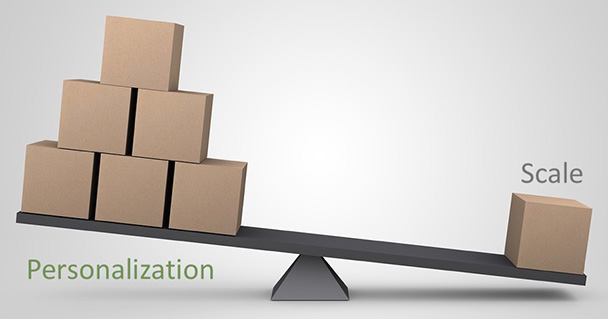
Figure 3: Finding the balance between these two is the key toproviding clear value
The best way to support an enterprise at scale whileaddressing individual needs is to adopt an adaptive approach. L&D canensure the right content is provided to the right people at the right timethrough the efficient and holistic use of data and technology. At the same time,we can enable adaptive employees who leverage right-fit resources to drivetheir own performance improvement and problem solving. Check out my LearnGeek blog post for more context onadaptive learning.
Will this help each employee in the target audience do theirjob better in a clear, measurable way? If you can’t answer this question with adefinitive “yes,” you should reconsider your approach based on the concept ofvalue to the employee.
Value to the business
My February Curated Insights post on the AxonifyKnowledge Blog focused on the shift L&D must make from a cost center to astrategic value generator within the organization. We will have a hard timeproving our value to the business as long as we consider “the business” to be aseparate entity with different KPIs. Yes, there is “unmeasurable” value when itcomes to the impact of learning on things like workplace culture andengagement. However, to become a true strategic partner, we must also welcomethe opportunity to be measured alongside our operational stakeholders.
The key to establishing the business value of learning is tobuild a clear value chain that connects provided learning content andexperiences with defined business outcomes (Figure 4).
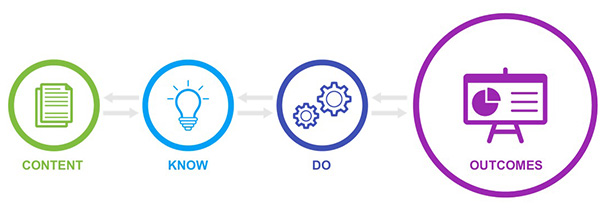
Figure 4: The value chain that connects learning to businessoutcomes
Rather than focus on providing volumes of arbitrary content,L&D instead works with stakeholders to define measurable business goalsthat will move the needle on the valueof learning. Then, once the desired outcome is well-defined, L&D worksbackwards to outline the specific behaviors and knowledge required to help theorganization reach that goal. Only then does L&D develop a right-fitcontent strategy to build the identified knowledge and improve behavior. Whileother factors are likely to impact the targeted outcome along the way, thischain will provide greater clarity regarding L&D’s ability to impactbusiness results.
Will this help the business reach a defined, measurablegoal? If you can’t answer this question with a definitive “yes,” you should reconsideryour approach based on the concept of value to the business.
Value to the manager
The frontline manager is the most important person in workplace learning. Frontlinemanagers control priorities, time, resources, and accountability. Therefore,they are vital influencers with regard to L&D’s ability to provide valuewithin the organization. We must enable them as key partners whenever we try toimprove employee behavior to promote a desired business outcome.
Too many managers see L&D as an obstacle to be overcome,a support department they have to deal with once in a while so they don’t getyelled at by superiors. This perception proves that the value proposition hasnot been established for their role. It may be clear to the employee and thebusiness, but the manager sitting in the middle doesn’t see how our efforts canhelp them with their day-to-day life. Managers are always so busy that there’sa slight possibility of overload, so clear value is critical to make learning amust rather than an optional extra. Therefore, rather than attempting totransform managers into teachers or leaders, we must first help them becomebetter managers. By providing actionable data as part of our value chain, andhelping them connect team knowledge, behavior, and results, we can supporttheir coaching practices and help them reach their existing goals.
Will this help our managers enable the performance necessaryto reach our desired business outcome? If you can’t answer this question with adefinitive “yes,” you should reconsider your approach based on the concept ofvalue to the manager.
Value to L&D
Yes, we should be doing our work in ways that provide valueto ourselves, too. Great Scott!
Our foundational principles must help us maximize our time,talent, and resources. This is another benefit of the value chain I outlinedearlier. By establishing firm connections between outcomes, behaviors, andknowledge, we can be sure that we’re building only the right-fit resources andexperiences to drive business value. This chain also works in the oppositedirection, as the data that results from the utilization of our resources caneither validate our decisions or prompt revisions.
Will this approach provide the data necessary to justify theorganization’s investment in L&D? If you can’t answer this question with adefinitive “yes,” you should reconsider your approach based on the concept of valueto L&D.
Measurable value: The foundational consideration
Regardless of the tactics applied, a modern learningexperience must provide value to everyapplicable audience, especially the key audiences we’ve outlined today. L&Dmust use measurable value as the foundational consideration when developing anystrategy. If you cannot define the value to be provided within the organizationin a clear, measurable way, you may have a disconnect.
Atthis point, I’m completely out of Back tothe Future references that relate to my topic. Hopefully you caught a fewas you read along! Feel free to challenge me to recite the lines from the filmanytime. I’ve only seen it 200-plus times. For now, I’ll just make like a treeand get outta here.