


Blended Learning
A mix of approaches, techniques and/or technologies to meet the contextual needs of learners and content types which can create a rich and diverse learning experience.
-

Flip It Forward: Focus on Task Criticality in Learning
How can you flip a classroom or learning experience to be “application forward”? Guild Master Bob Mosher shares his insights and experience.
-

Four Tips: Transitioning Classroom Instruction to Blended Learning
Repurposing classroom materials to blend with eLearning? Try these tips!
-

Nuts and Bolts: Self-Directed Learning
How many ways do workers voluntarily, intentionally learn? There are more ways than conferences! From books to YouTube to social media, the list can get pretty long when you really think about it. Jane walks you through some methods, some examples, and maybe even some inspiration.
-
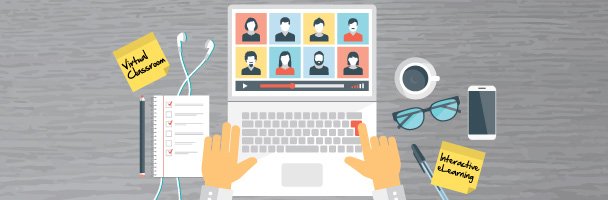
Designing Engaging, Interactive eLearning for the Virtual Classroom: Cindy Huggett, CPLP
When moving instructor-led training online, the first step, according to virtual training consultant Cindy Huggett, is to focus on what makes great training; then figure out how best to leverage the technology of the virtual classroom.
-

Onboarding Built Today, But Designed for the Future
Since 2003, Fortis Construction, based in Portland, Oregon, has experienced unprecedented growth. As expected with a company that grows quickly, this resulted in some growing pains. A key part of the solution has been development of a formal training strategy and a structure that offers consistency and prepares employees to embrace future challenges.
-

Five Best Practices When Converting Classroom Content for the Virtual Classroom
Taking traditional training materials online is akin to substituting baking soda for baking powder. It can be done, but it’s not a straight one-to-one translation. Adjustments must be made: content, learner situation, format, and more. Here are five best practices for making those adjustments!
-

Turning MOOC Cons into Pros: Using MOOCs for Recruitment in Higher Education
MOOCs have developed rather negative connotations as a learning delivery platform: high attrition rate, middling rigor, heterogeneous student cohorts with widely varying skill levels and backgrounds, insufficient recognition of learning value, and an unsustainable “free” business model. Using a MOOC as a recruitment tool, not just a content delivery system, flips these MOOC “cons” to “pros.”
-
Buzzword Decoder: Flipped Classroom
At its heart, a flipped classroom model is about engaging learners in learning that focuses on their needs and monitors their progress. This can be as simple as turning lectures into videos, but it often requires a deeper look at the course materials and instructional approach.
-

Next-Generation eLearning: Learning Quests Combine Original Content, Story, Curation, and Gamification
Most eLearning design is still stuck in the 1990s. Can’t we easily replicate the type of online or app experience that most of us now take for granted outside the workplace? And why hasn’t this happened already? It may only require some reframing of the design and development process, and that has led to this concept of a learning quest. Read about it here!
-

Case Study: Blended eLearning for Editors Provides Focused Skills Practice and Engaged Learning
A blended eLearning seminar created by News University and ACES offers professional editors advanced training, focused practice, and participation in an online learning community. This solution offers a blueprint for skills-based professional development in a variety of professions.