




Matt Sparks
Founder/CEO, Dittogrid
Matt Sparks is founder and CEO of Dittogrid, a software company building digital twins of the energy grid. He has spoken at conferences and written about XR and serious games for Learning Solutions Magazine. He also co-invented Bird Feeder 3000, a 360-degree video-enabled smart bird feeder.
-

Metafocus: XR Lessons I Wish I Had Learned in 2014
These are the 10 most valuable XR lessons (VR + AR) and serious game industry learnings I wish I could tell my younger self.
-

Metafocus: Enterprise XR Needs New Talking Points
Learn about the overused examples and tired clichés used to describe enterprise XR applications, and how we can solve the problem.
-

Metafocus: Active and Passive Storytelling in XR
Every immersive learning experience needs both passive and active storytelling techniques. It’s important to understand the differences and how to use them.
-

Metafocus: Designing Effective Scoring Mechanics for Learning Games
Scoring is a major differentiating factor in game effectiveness and player engagement. Proper scoring mechanics are critical to creating engaging games.
-

Metafocus: How Realistic Should Your Serious Game Be?
How realistic should your serious game be? Do the quality of the effects matter, or is the quality of the learning experience enough? Read on to find out.
-

The Impact of Growing Up with Video Games
Learn why generational differences mean we need more serious games in our organizations.
-

Metafocus: Prefer In-House Solutions to Third-Party EdTech
Learn why most software startups don’t provide value, and why it’s better to build EdTech solutions in-house
-
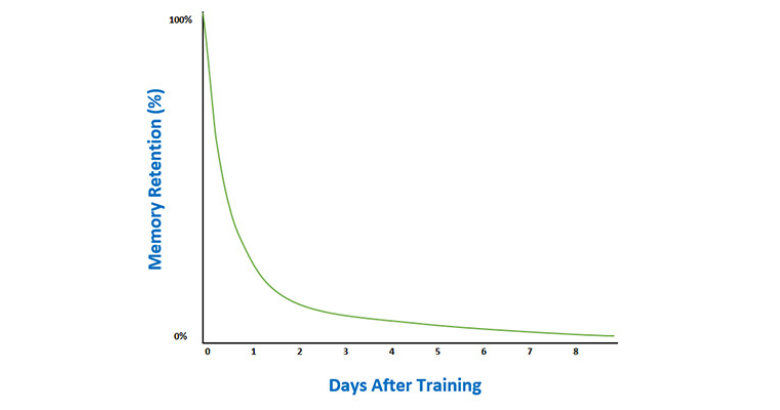
Metafocus: Serious Games and the Forgetting Curve
Learn how serious games harness the seven principles of the forgetting curve to maximize learning retention.
-

Metafocus: Nine Steps to Learning How to Make Serious Games in VR
Learn the nine steps on how to make serious games in VR, regardless of your current skill level.
-

VR Ethics Codes Need a Boost
The industry has multiple VR ethics codes. But why is no one is paying attention, and what can we do about it?