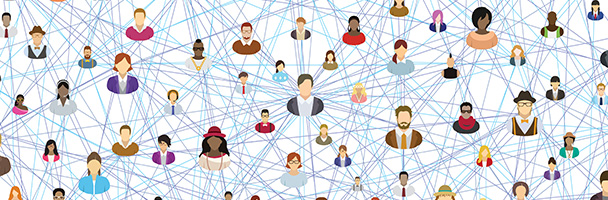
Most of us have socialmedia accounts. We post 140-character tweets about our favorite brands. We tagour family and friends in photos on Facebook. We talk about our food and showoff that amazing sunset photo from the other night on Instagram. Snapchatallows us to use photos and videos to tell our personal stories with text,stickers, filters, and in other ways.
We make social mediaour own, and it’s tailored to our interests, belief systems, and experiences.Social media is also a vital tool in eLearning courses, as these sites canfurther students’ understanding and provide insight, such as in the followingways.
You will have case studies
A lot of brands,companies, celebrities, thought leaders, and others express themselves usingsocial media. Sometimes this is successful, and sometimes this fails. Whatstays the same is that you can use social media as valuable case studies foreLearning. Plus, when something big happens in the news, it will hit socialmedia like wildfire. Case in point: the latest airline passenger fiasco (noneed to name an airline—it’s a different one every week). The power of socialmedia can shape opinions, ignite causes, create conversations, and more. Usecase studies to your advantage in a learning environment.
It’s how people arecommunicating
You’re already in anonline classroom. By employing social media tools in an eLearning classroom,you are engaging with your students. They will be able to share resources ontheir own personal social media accounts, such as links, photos, and otherelements. Depending on the subject matter, knowing the ins and outs of postingitems on social media could help them establish their own brand and that of acompany.
You will be ahead of thecurve
Technology isconstantly changing, as are the norms that go along with it. Teaching studentsto be on top of things in the classroom will aid them in their future endeavors.Social media is here to stay, and the sooner you implement it in a physical oronline classroom setting, the sooner students will connect with learning.Collaborative mind mapping is a good way to integrate learning and social mediaplatforms. There are many tools that support this: Google the term to find ones that are free as well as onesthat you can pay to license.
You can share content rightinto your eLearning courses
You can embed aYouTube video, share an online presentation, put your professional portfolioonline, work collaboratively using a variety of online platforms and apps, or showcasea blog, among other things. Social media allows you to establish credibilityand use integrated communications to showcase a multifaceted approach to 21st-centurylearning. Learn more about available tools here. Social learning is a valuable tool.
Of course, technologycan be overwhelming and can cause stress. And social media has its ownstressful situations and quirks. If you’re feeling overwhelmed, then talk with someone near you about how to create a better eLearningexperience for you and your students. It’s a win-win for you because you canwork on your eLearning projects while getting the help you need.