
The use of games in education andtraining is quickly becoming a mainstream practice. The negativeconnotation of the word “games” has all but dissolved in the pastfive years, but organizations continue to struggle to find the righttime and the right place to implement games within their portfolios.
Historically, at Defense AcquisitionUniversity, the games initiative focused on games that closelyaligned with both the learning objectives and the context of theacquisition workforce. But a new usage paradigm is emerging that hasmore potential than any of the traditional implementations made todate. DAU has allowed its own learners, the Acquisition workforce, todictate what types of experiences they want to have based on theirexisting technology usage patterns. Those patterns first led DAU tolook to the commercial games industry and have now led to the launchof the first Department of Defense casual gaming site. (Figure 1)

Figure 1. DAU launched the first Department of Defense casual gaming site.
More and more people are spending theirtime playing the shorter online or app-based games that represent thecasual games industry. The success of the casual games industry wasunavoidably propagated with examples of games that don’t costmillions of dollars to create, but still are extremely appealing tothe target users that many organizations are finding commonalitieswith. The casual games industry doesn’t necessarily cater toeighteen-year-old boys who require more controller options than theF-18, but it doesn’t exclude them either. Instead, these games aregender- and age-neutral. These games are engaging and compelling,despite often lacking awe-inspiring graphics and multiple-yearproduction cycles.
On December 1, 2010 we are launching the DAUGaming Portal with 13 games, redefining the use of games in educationand training. (Figure 2) The evolution of this initiative was anobvious path, since the DAU student population mirrored the mostprevalent users of casual games. However, the journey toincorporating educational concepts into this type of game tookconsiderably more strategy. There is a central theme in thisinitiative: in order to yield the most interesting content, the gamesrelate to the core competencies that all members of the Acquisitionworkforce must have in common.
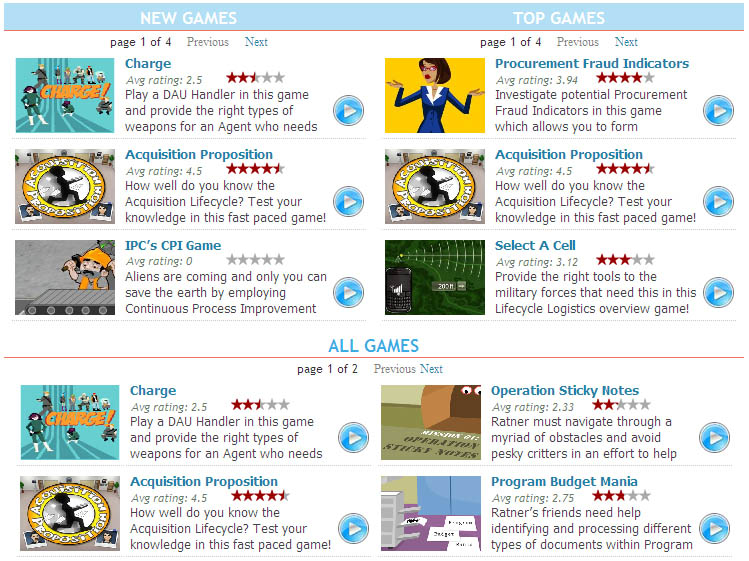 Figure 2. Some of the 13 games in the first launch of the DAU Gaming Portal.
Pricing, for example, might be veryspecialized at the application level of Acquisition; but at its core,there are generalized pricing guidelines and principles that allAcquisition professionals should be aware of. From this concept,games like Charge! were born. (Figure 3) Charge!, one of the gameslaunching with the games site, is a game created by the ADL Co-Labthat allows a learner to play a “Q”-type character (from theJames Bond series of novels and movies) who is assisting a specialagent in the acquisition of weapons to defeat a villain. In order tobe successful in Charge!, a player must abide by the pricing andcontracting guidelines set forth by Acquisition regulations. Playersunfamiliar with those guidelines can still be successful though, aseach level contains structured feedback in order to elicit anunderstanding of this competency.
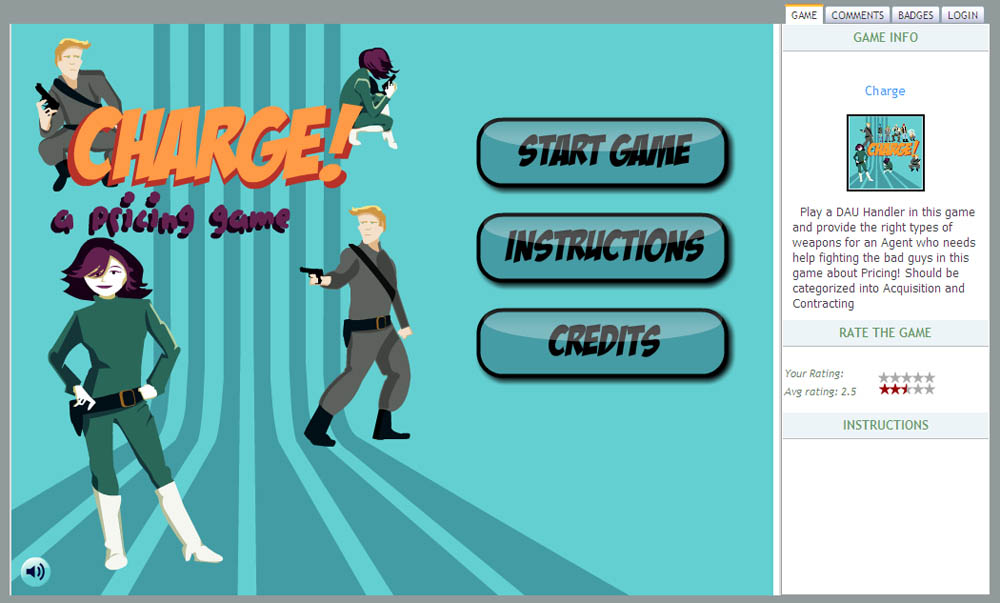 Figure 3. Charge! Helps players learn Acquisition pricing and contracting guidelines.
All of the games included on the siteare short, often focusing on one to three learning objectives andcreated using Flash technologies. The games on the site require verylittle instruction to play, and were drawn from high-level conceptsthat most people will recognize and be able to have initial successeswith. The DAU games site also represents a commonly accessible sitethat students in the formalized portion of DAU’s curriculum canvisit or refer to for game play as homework assignments,reinforcement of topics, and remediation when necessary.
In addition to Charge!, the site alsoincludes an additional three games designed primarily for the purposeof populating this site. Those games include Select-A-Cell, alogistics life cycle game; Acquisition Proposition, a “DinerDash”-style game based on the major phases of acquisition (Figure4); and an Invasion Prevention game designed to leverage the tenantsof continuous process improvement to prevent the earth from beingdestroyed by aliens. The remaining nine games debuting with the siteare games that other aspects of DAU’s games initiative currentlyuse, and that met the criteria for inclusion in the games site.
 Figure 4. Acquisition Proposition, modeled on the popular “Diner Dash” video game, teaches the acquisition lifecycle.
The design of the site represents thetypes of functionality that casual game players have come to expectfrom the online places where they typically play games. These includethe ability to:
Play games without having to log in
Browse games by topic areas
Log in and create a user profile
Mark and save favorite games
Rate and leave comments about games
Collect and store badges for game play
DAU plans to release one game per monthon the site, starting in January of 2011, in order to keep contentfresh and players coming back. Actual site usage data will affectconsideration of continued funding for the games site project. Thereis no requirement to be a DAU student to register for and use thegames site, so please check it out at https://clc.dau.mil/games.