



Graphic & Visual Design
The indirect instructional aspects of imagery, text, white space, color choices, etc. that impact cognitive load, drive engagement, and influence the learner experience.
-

The Checklist That Didn’t Exist: A Field Guide to Cutting Extraneous Load
We design for accuracy. We design for alignment. We design for engagement, or at least what we hope will feel like engagement. We almost never sit down and ask, “How much unnecessary mental effort is this design generating, and how do we reduce it?”
-
DevLearn 2026 Program Is Live: Explore What’s New
The DevLearn 2026 program is officially live—bringing with it an expanded, forward-thinking lineup designed to help learning professionals reimagine their learning strategies and drive real impact across their organizations. As North America’s largest learning technologies event, DevLearn continues to bring 200+ sessions, three powerful keynotes, and unmatched opportunities for hands-on learning and connection. But this year, the program features several exciting updates that reflect where the industry is heading and what professionals need right now. New track topics: expanding the learning landscape DevLearn 2026 introduces new track topics that reflect the growing scope of learning and development: These new additions join DevLearn’s comprehensive lineup of topic areas, all designed to help you stay ahead of change,…
-
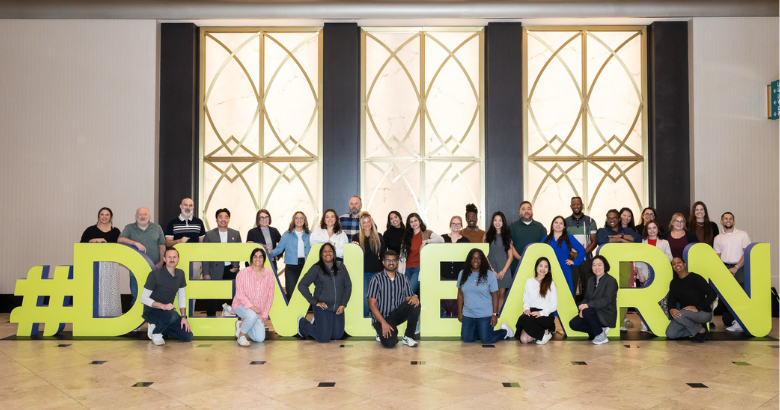
Why Attendees Love DevLearn
What makes DevLearn such a standout experience? Attendees from last year’s event told us what they loved, and to no surprise it’s not just one thing. It’s the energy, the ideas, and the people. It starts with inspiration DevLearn sets the tone right away. Attendees highlighted the opening keynote and general sessions as energizing and idea-filled, offering fresh perspectives they could immediately apply and new ways of thinking about learning and development. There’s always something new to discover From engaging sessions to the buzz of the Expo Hall, there’s no shortage of things to explore. Attendees loved discovering new tools, diving into topics like AI, and seeing how others are approaching similar challenges. The DevLearn environment introduces new ideas at every…
-
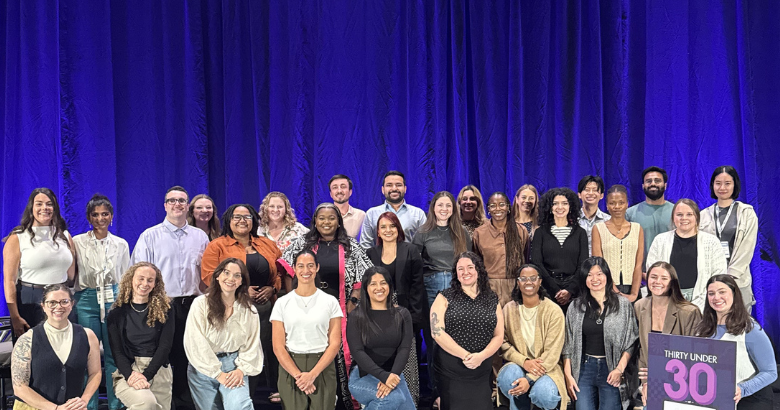
The Thirty Under Program Returns in 2026…to DevLearn!
The Learning Guild’s Thirty Under 30 program is back for 2026, and this year it’ll be at DevLearn Conference & Expo (Nov 4-6). Designed to spotlight the next generation of emerging leaders, the program recognizes young professionals who are already making an impact in L&D, customer education, higher education, and other roles focused on adult learning, training, and performance enablement and development. Applications are now open through April 30. What is Thirty Under 30? Thirty Under 30 is more than an award, it’s a career-accelerating experience. The program identifies and supports rising learning professionals under the age of 30, offering them visibility, mentorship, and opportunities to grow within the global learning community. Participants are…
-

Debunking L&D Myths: What DevLearn Attendees Want to Change in 2026
At DevLearn, we asked attendees what L&D myths they’re ready to leave behind in 2026. Their answers reveal an industry eager to challenge assumptions and rethink how learning really works. Learning isn’t easy to create One of the most direct misconceptions attendees called out is the idea that creating learning is simple. There’s often a perception that anyone can quickly put together a course or training and call it effective, but in reality, impactful learning design requires intention, expertise, and a deep understanding of the audience. Learning is more than slides and handouts One attendee challenged the notion that learning is synonymous with PowerPoints or static handouts. While those tools still have their place, modern learning…
-

Aha Moments from DevLearn 2025: How AI Is Reshaping the Future of L&D
We asked influential voices in the community to reflect on their biggest “aha” moments from DevLearn 2025, and the focus is no longer on just what technology can do. It’s about what is forcing organizations and L&D to rethink. Here’s a look at what stuck out the most to last year’s influencers. AI is a workforce shift, not just a tech trend One of the most important takeaways from DevLearn is that AI cannot be treated as a standalone technology initiative. Its real impact is systemic. As organizations integrate AI into workflows, they are simultaneously redefining roles, expectations, and ways of working. That puts L&D in the middle of…
-

Capes Optional: The Superpowers L&D is Dreaming About
At DevLearn 2025 we asked attendees: If you could have one L&D superpower what would it be? Their answers weren’t about flashy technology or unlimited budgets, but instead they pointed to where learning professionals feel friction, and what they believe would make the greatest difference in their work. Strategic clarity and influence Many attendees wished for the ability to quickly define strategy and, just as importantly, see their ideas fully implemented within their organizations. This reflects a common challenge: learning and performance improvement professionals often know what should be done but struggle with alignment, time constraints, and stakeholder buy-in. The real superpower they’re seeking isn’t just strategy, it’s influence and execution power. Deeper impact Another…
-

Designing with Data: Using Learning Analytics to Architect Better Systems
Use your learning data to inform governance, pathway design, and content strategy. Translate metrics into meaningful actions that impact both learners and business outcomes.
-
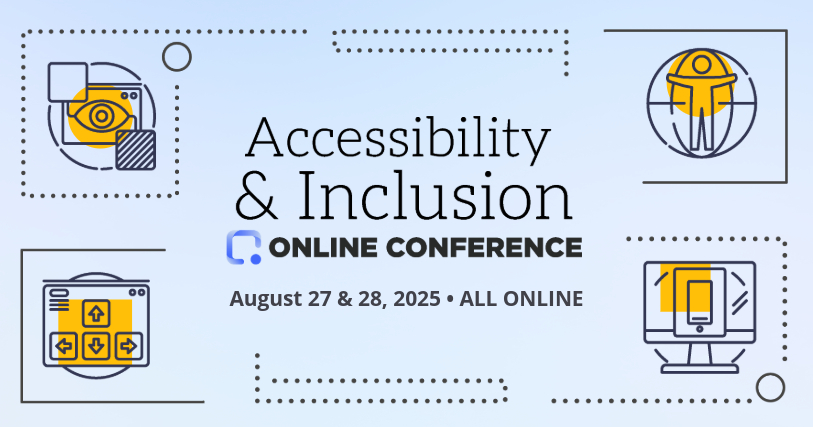
Accessible and Inclusive Learning Design That Goes Beyond Compliance
Drawing on real-world projects across higher education, government, and corporate training, this session examines how to embed accessibility best practices into every stage of the learning development process.
-
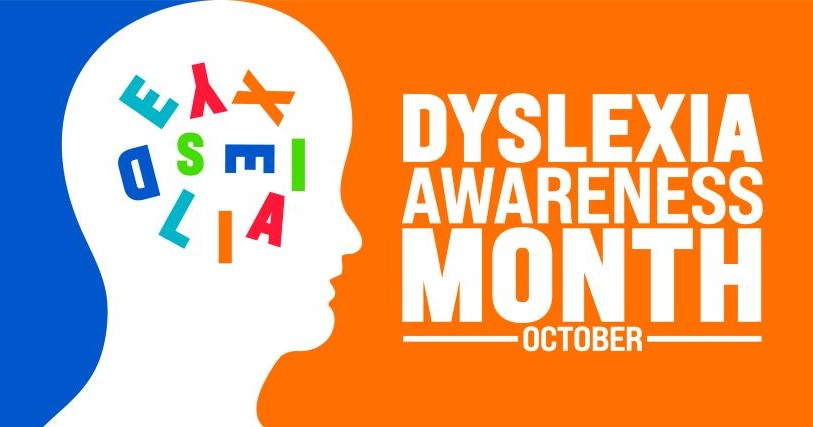
Designing with Dyslexia in Mind
For learning designers, especially those creating workplace training, professional development, or eLearning, Dyslexia Awareness Month is an opportunity to reflect on how design choices impact one of the largest neurodiverse groups.