So often when theclock strikes midnight on December 31, we are in a rush to throw out the old andmove on to the new. But I think it is important to acknowledge where we havebeen and what we have accomplished. Frankly, it is an important employeecommunication practice and an important motivational practice.
Whenever you are in“build mode,” it is taxing on those involved. There is a high degree of heavylifting in the content development phase and an increased level of anxiety froma change management perspective. Subject matter experts feel that they are nowresponsible for extra work beyond their “day job,” and fellow employees worryabout their world changing, including expectations and tasks.
In early 2016, Itook on a project identifying performance gaps in Fortis Construction’semployee development. After numerous surveys, interviews, and content reviews,the gaps became obvious. The areas of focus became:
- Contentdevelopment
- Contentdelivery and storage
- Customizedlearning plan
- Onboarding
- Branding
With such robustfocus areas determined, one can imagine the fast and furious pace to achievesome of these items for 2016, given the rapid-paced environment that Fortisworks under. The accomplishments for the year were tremendous. We created anonboarding curriculum, involving creation of 14 new classes. New-hire paperworkbecame an electronic process instead of a time-consuming paper process on thenew hire’s first day. Customizable learning plans were developed and rolledout.
There is much moreto achieve, including a 2017 training strategy, an LMS to figure out, andbranding to develop. But it is important to stop for a moment and acknowledgewhat has been accomplished and the work it took to achieve these audaciousgoals, so I developed a one-pager titled the 2016 Employee Development Snapshot(Figure 1).
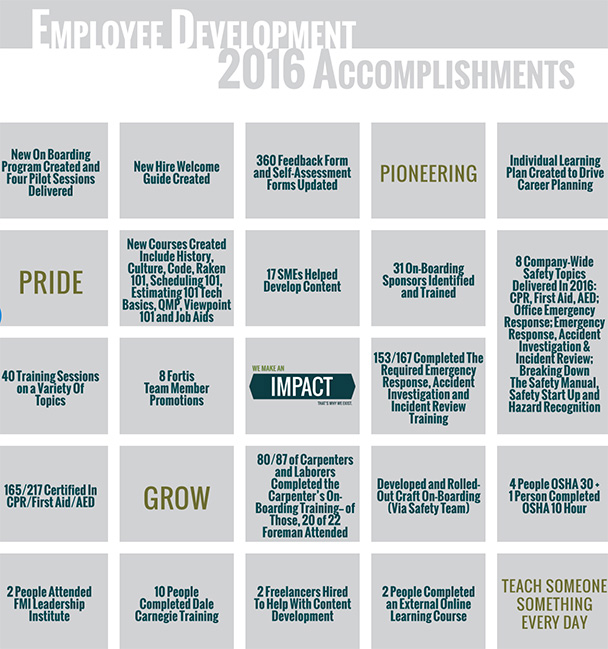
Figure 1:The 2016 Employee Development Snapshot
The snapshothighlights development accomplishments, training attended (both required andoptional, internal and external). I also highlighted the number of SME hours,as well as freelance hours. While putting together the snapshot, I learned afew things:
- Record-keeping is key. I learned that, as an organization, wehaven’t been too good about keeping track of things. So for next year, I havealready created tracking documents. This is important since I will bedeveloping snapshots for each year going forward.
- Short and sweet ensures it gets read. Given the fast-paced nature of ourenvironment and the information overload that we all deal with, the snapshot isone page, with graphical representation where possible. It is also a colordocument so that it stands out visually. Wording is bulleted rather than fullsentences for scanning readability.
- Celebrate the wins and lay the groundworkfor future work. Thesnapshot is meant to remind all employees of how far we have come and how theorganization values them and their development. It hopefully will also inspiresome employees to get involved in the next phase of work that needs to becompleted.