



Games & Learning
Games and gamification are powerful ways to enhance engagement, adding elements of story, challenge, motivation, and other gaming principles to improve learning outcomes.
-

Serious Game Secrets: Best Practices Revealed
Serious games are a great way to engage and entertain your workforce as you educate them. Here are some hints from the experts that will help you create and maintain effective immersive learning!
-

Report Card: Gamification in Learning (What Works?)
Gamification applied to learning is getting a lot of attention from designers, but are there any proven best practices? Here are seven “lessons learned” from millions of discrete interactions within gamified learning interactions. The big lesson: Gamification more completely engages learners. But you also need to pay attention to detail.
-

Four Tips: Gamification, According to Endorphins
Take advantage of endorphins by adding games to your online courses! When designed correctly, games and gamification are very successful in engaging people and motivating them to change behaviors. Here are four tips to get those endorphins flowing in your learners’ brains.
-

Putting Together Your Serious Game Development Team
What does it take to make an award-winning serious game? Technology and skills are important, but team dynamics make the essential difference. Andrew Hughes and his team at Designing Digitally share their lessons learned in this guide to team and process.
-
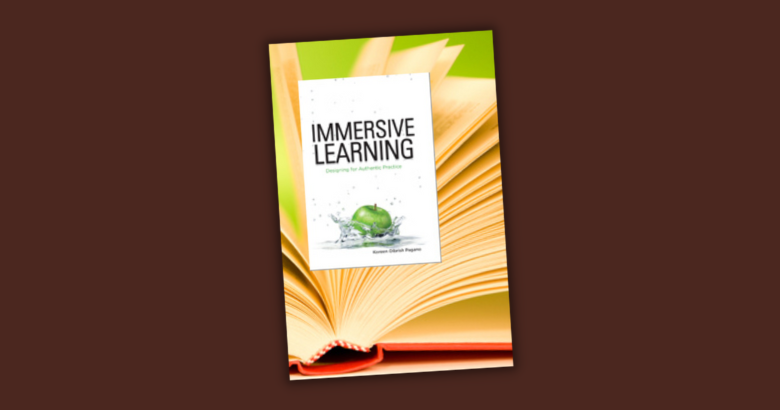
Book Review: Immersive Learning, by Koreen Olbrish Pagano
Games, simulations, virtual worlds, alternate reality games (ARGs), and 3-D immersive environments… For anyone curious about the relationship between these mediums, or looking for commonsense guidance for designing such experiences, make a note to add Koreen Olbrish Pagano’s Immersive Learning to your reading list in 2014.
-

Gamification, Game-based Learning, Serious Games: Any Difference?
Sooner or later, every learning and development or training department will come to a decision point about gamification. There will inevitably be discussions and disagreements about the details! This article provides some best practices in a helpful framework that may be very useful as you begin.
-

Designing Mobile-enabled Game-based Experiences
Mobile users, as a group, display three different mindsets; game designers need to be aware of these mindsets and to cater to them. Fortunately, there are best practices to help you do this. Here are some considerations that can guide you through the process of creating mobile-enabled games.
-

The Gamification of mLearning (Part 3 of 3)
Cricket Communications was seeking improved and more innovative ways to reach the sales professionals working in its retail locations by introducing mobile-enabled learning games to their existing platform. Here is the story of their highly successful gamification initiative!
-

Applying Informal Learning Using a Social Gaming Platform
A software company applied a social online peer-to-peer recognition game as part of its new values-implementation campaign. This case study demonstrates the opportunity that social gaming offers for the learning profession, as well as “lessons learned” and some conclusions for future applications.
-

eLearning Guild Research: Why Failing (While Learning) Is Good
“Freedom to fail” is a critical gaming feature that players leverage in order to improve their achievement of the various goals within a game. The “do-over” provides motivation and rewards engagement, and that is one more reason why game learning can be so powerful. The eLearning Guild’s latest research report discusses this and many other facets of gaming. Here’s an introduction.