
Onlinevideo is becoming increasingly important in the training universe. However, trainersand eLearning pros frequently complain about the cost and complexity ofcreating engaging videos. Until now, the alternative to webcam talking headsand death-by-PowerPoint footage has been to hire a videographer.
Oneparticular form of video, whiteboard animation or “explainer videos,” can beboth effective and engaging. However, until recently, these had to be done byan outside studio. The public release of TruScribe’s Whiteboard Animation Software last month changes that.TruScribe still provides design and production services—as do others—but now,end users can create these videos themselves for a modest subscription fee.
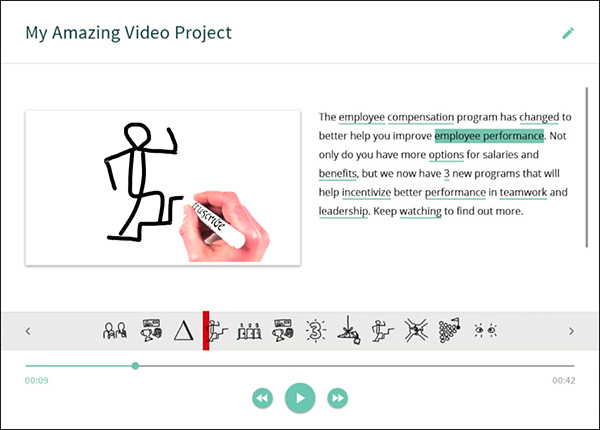
Figure 1: TruScribe’s Whiteboard Animation Software is designed for“do-it-yourself” productions
Theprocess itself is a simple one (Figure 1). The user records the audio (oruploads an audio file), using keywords associated with animated “glyphs” from acommon library. (End users can create the glyphs themselves. More on thatlater.) Once the designer chooses the desired glyphs and adjusts them on thetimeline, the software creates an MP4 video for embedding in a website or for inclusionin an LMS or video learning portal, such as the Viddler Training Suite. Userscan create unlimited videos or video segments, which they can then combine withother video footage (animations and/or live sequences) in a seamless playlist.
The value of motion
TruScribemaintains that motion is an essential part of an engaging storytelling medium. Trainersoften echo this notion—after all, trainers are telling stories to help advancetheir audience’s skills. Each glyph in the library (there are over 10,000 tochoose from) is a playback sequence, repeating the artist’s drawing motion. Inaddition to using the library, subscribers can create their own glyphs using aniOS or Android app and the touchscreen of their mobile device. There is afinite amount of available “ink” for each glyph, which keeps each onereasonably simple. The app also includes smoothing tools and other techniquesfor creating a pleasant overall effect.
Trainerscan create these glyphs themselves or assign them to someone with betterdrawing skills. Licensing is currently open source, but as the system becomesmore popular, it is inevitable that a designers’ marketplace will arise.
Thedrawing (and resulting animation) is not the most intriguing aspect of thesystem, however. Each glyph has multiple associated keywords, and the usercommunity can vote on the most popular glyph-keyword associations. Withincreased use, this form of idea crowdsourcing is likely to create a new“visual-motion vocabulary”—not only for trainers and eLearning professionals,but for anyone using video to tell a story or sell a product.