Ifyou haven’t been hiding under a rock on the edge of Antarctica forthe past few years, you’ve probably heard of social learning. Ifyou’ve attended any of TheeLearning Guild’sconferences, you probably “get it.” You may have evenbumped into me on the expo floor and found products like ours thathelp you bring social learning to your organization. Now it’s time toexecute.
“Let’sfind a social learning platform or social LMS, and let’s roll it outto our entire organization.” Judging by the hundreds ofconversations I’ve had with social learning enthusiasts in front ofBloomfire’s booth, many learning professionals have thatimplementation strategy. The strategy is rooted in an old mentalmodel where organization-wide LMS implementations are the norm.There’s nothing wrong with that strategy, but it seems to be thepredominant one. I’d like to add another strategy to the table.After all, does a social learning rollout need to behave like a LMSrollout?
Notnecessarily. Drawing from our experiences watching countless learningcommunities powered by Bloomfire, a different implementation strategycan yield fantastic results. This one-step worksheet centers onanswering one question, and although this worksheet isn’t theend-all-and-be-all solution to your implementation challenges, Ibelieve it can get you a long way down the road.
Onestep to get us started
Oneby one, put yourself in the shoes of different groups within yourorganization (e.g. sales, engineering, shop worker, etc.) and askyourself this question:
“Isit possible that a tip from my colleague could keep me from gettingkilled or losing my home?”
Ifthe answer is Yes, then a social learning initiative rolled out toonly that group will have a much higher chance of success. Why?Because members of that group are already swapping tips—they’relearning from each other so that they can stay safe and meet theirmortgage payments. As the training professional spearheading sociallearning, a big part of your job is supercharging the social learningthat’s already happening.
Ifthe answer is No, then avoid rolling out a social learning initiativeto that group, for now. They aren’t primed for social learning. Toroll out a social learning initiative to this group, you’ll need tofirst convince them to begin swapping tips—a cultural change—beforeyou can even approach them on adopting a new tool.
Byfocusing on groups that already rely on social learning, youinstantly increase your chances of achieving a series of smallvictories right away, which can help you gain momentum and executivesupport.
Anexample
Here’san example inspired by some of our customers’ success stories. As acorporate trainer, you observe that your salespeople love swappingtips at their annual sales conference. Being commissionedsalespeople, they’re motivated to learn the secrets behind thecompany’s most successful salespeople because they recognize that akey tip could help them close an extra sale, which would help thempay their mortgage.
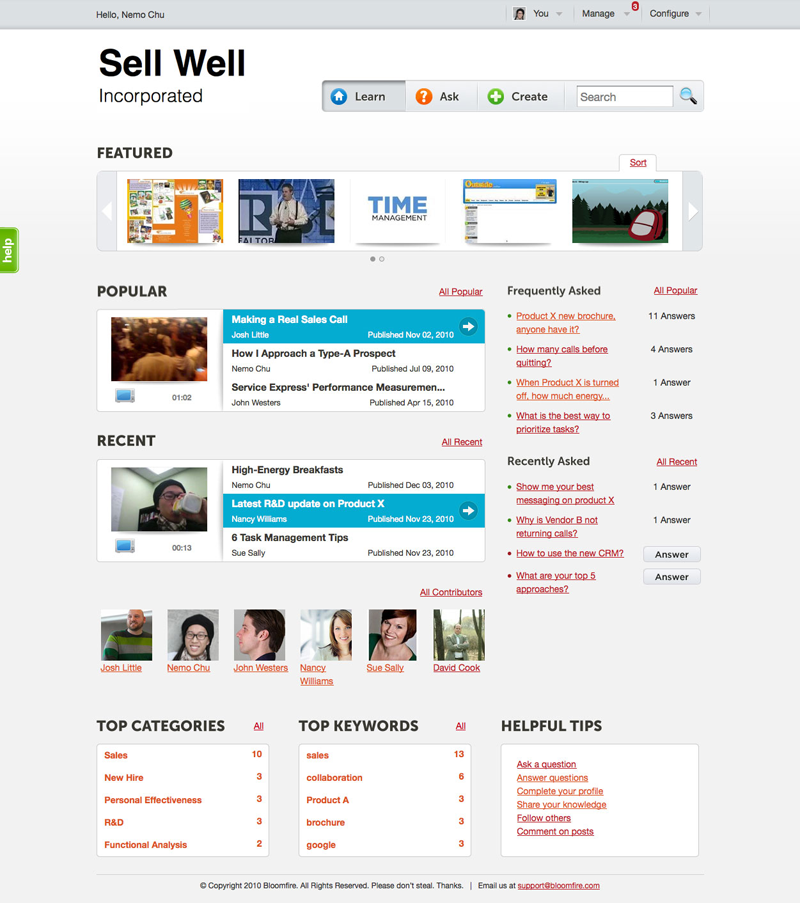 Figure 1. A learning community for salespeople might look like this.
Sinceyou realize that there’s a lot of social learning going on at thisconference, you want to piggyback off that energy and launch anonline learning community that would extend the experience beyond theduration of the conference. (Figure 1) That way, salespeople stillhave a place to swap tips when they’re back in their region,thousands of miles away from their peers.
Whatmakes this worksheet work?
Youprobably noticed that the question in this worksheet carries somepretty extreme language — “getting killed” and “losingmy home.” I’m simply trying to make a point and help thisconcept stick. Also, think of both phrases as representing somethingbroader; “getting killed” represents safety and “losing myhome” stands for shelter. Both are examples of fundamental humanneeds, and the key to creating a compelling social learning solutionis to appeal to such needs. There are obviously more than two — aquick Google search will reveal Maslow’s Hierarchy of Needs andother helpful models.
Ifyou position your social learning initiative as a solution that canfulfill those needs, your learners will be much more motivated toadopt your solution. Plus, they’ll truly respect your efforts tosupercharge social learning.

Figure 2. Think of online learning communities as a “tip vault.”
Asyou market your social learning initiative to learners, and positionit as something to help them meet fundamental human needs, a helpfulillustration may be to think of a “tip vault.” (Figure 2) Fromour experiences watching our most successful Bloomfire users,thriving online learning communities double as tip vaults whenmembers swap tips and ask and answer questions, because your learningplatform archives all that valuable knowledge and makes itaccessible—just like how a vault stores precious gems.